Philosopher
Xunzi
c. 310 – after 238 BCE
Also known as Xun Kuang, Hsün Tzu
Confucian who argued, against Mencius, that human nature is bad and must be reformed through ritual, learning and the teachings of the sages.
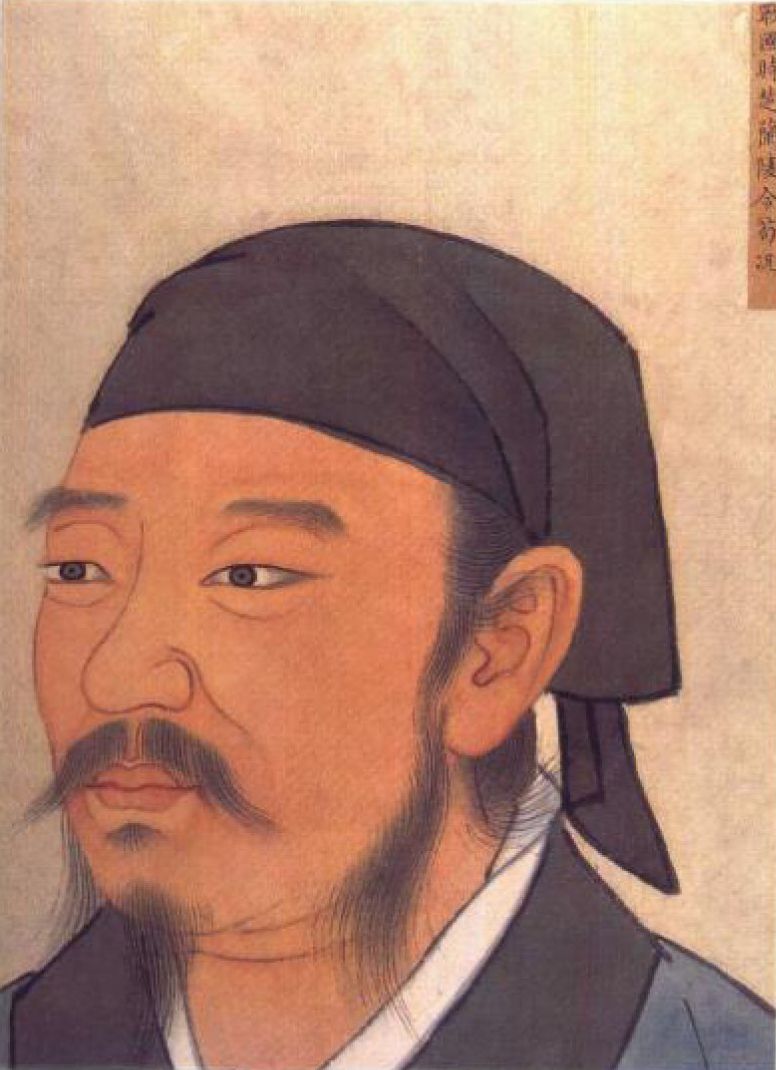

Xunzi was born around 310 BCE and served in the state of Chu under the patronage of Lord Chunshen, who was assassinated in 238 BCE; Xunzi was still alive then, and nothing more is known of his death. Two men associated with him as students, Han Fei and Li Si, became leading figures of the Legalist tradition and of the Qin state that went on to unify China.
Against Mencius, he argued that human nature is bad: left to themselves, people pursue their desires and fall into conflict. Goodness is the product of deliberate effort, shaped by ritual, music and learning devised by the sages. Long treated in imperial China as a Confucian who went astray, he is now widely recognised as one of China’s greatest thinkers.
Key ideas
- Human nature is bad
- The faculties and desires we have from birth lead us to act harmfully if we follow them without reflection. Goodness is achieved by deliberate effort (“artifice”), not given by nature.
- The rituals of the sages
- For most people the best moral guide lies outside the self, in the rituals handed down by the sage kings. Rituals restrain desires that would otherwise know no bounds, and they shape character as well as keeping social order.
- Heaven is constant
- Heaven’s processes don’t change from one age to the next. A well-run state thrives even when disaster strikes, so blaming Heaven for misfortune is ignorant or hypocritical.
- The heart-mind
- The heart-mind is the “lord of the body”. Being “empty”, “unified” and “tranquil”, it can come to know the Way, and it can override any impulse, which is what makes self-transformation possible.
- Tradition
- Chinese
- Region
- State of Chu
- Schools
- Confucianism
- Period
- Classical Chinese
Influences
Influenced by
- Confuciusc. 551 – c. 479 BCE
- Mozifl. 440–420 BCEcriticised
- Menciusc. 372 – c. 289 BCEcriticised
- Zhuangzifl. 350–300 BCE
Xunzic. 310 – after 238 BCE
Influenced
Influenced by
- Confuciusc. 551 – c. 479 BCE
- Mozifl. 440–420 BCEcriticised
- Menciusc. 372 – c. 289 BCEcriticised
- Zhuangzifl. 350–300 BCE
Xunzic. 310 – after 238 BCE
Influenced
Where these links come from
- Xunzi drew on Confucius. Source: Paul R. Goldin, Xunzi, Stanford Encyclopedia of Philosophy
- Xunzi argued against Mozi. Source: Paul R. Goldin, Xunzi, Stanford Encyclopedia of Philosophy
- Xunzi argued against Mencius. Source: Paul R. Goldin, Xunzi, Stanford Encyclopedia of Philosophy
- Xunzi drew on Zhuangzi. Source: Paul R. Goldin, Xunzi, Stanford Encyclopedia of Philosophy
- Han Fei studied with Xunzi. Source: Chris Fraser, Mohism, Stanford Encyclopedia of Philosophy
Key works
- Xunzi
- Read free at Project Gutenberg (in Classical Chinese, with Wang Xianqian's commentary)
Sources
- Paul R. Goldin, Xunzi, Stanford Encyclopedia of Philosophy