Periods
Western
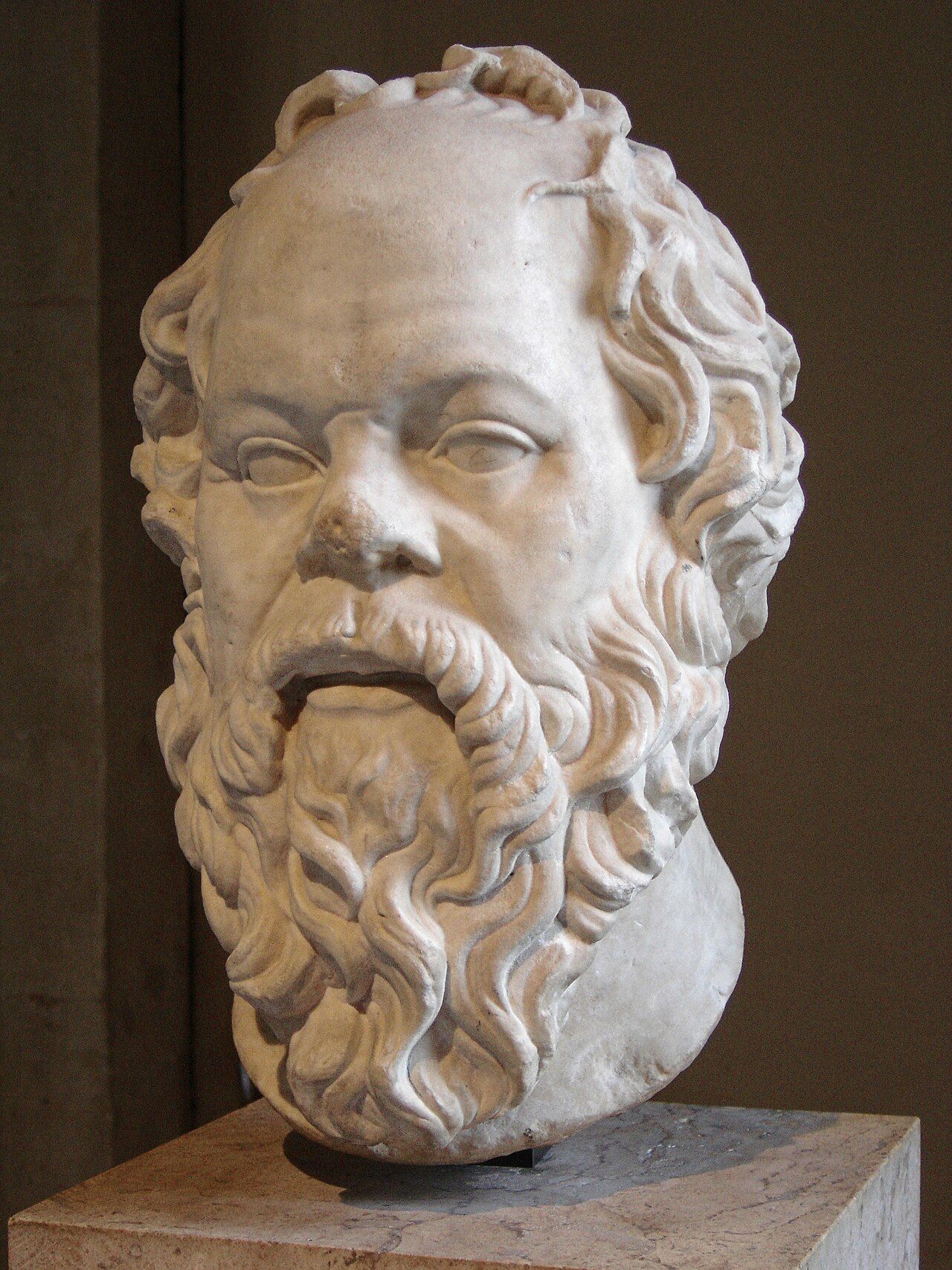
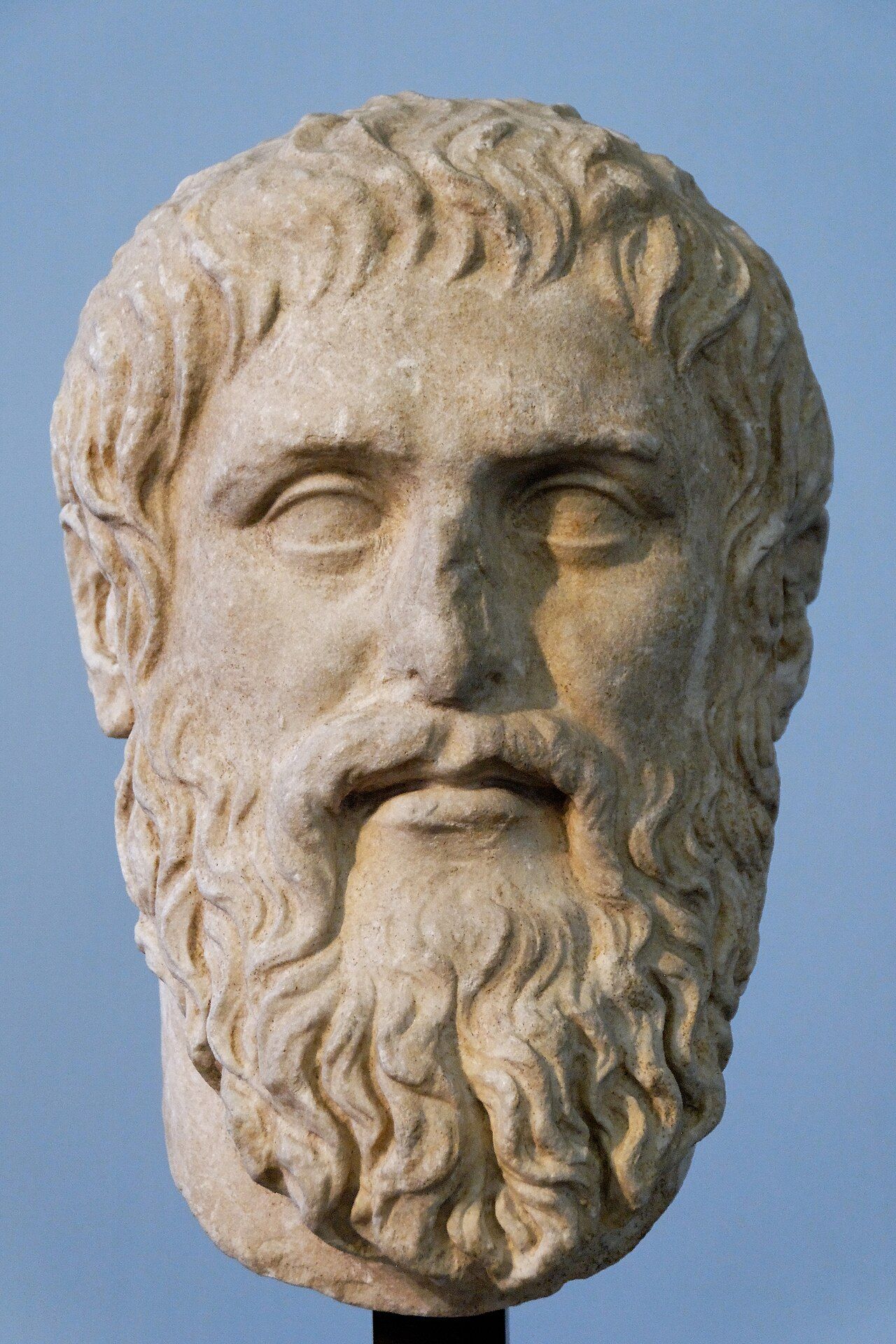
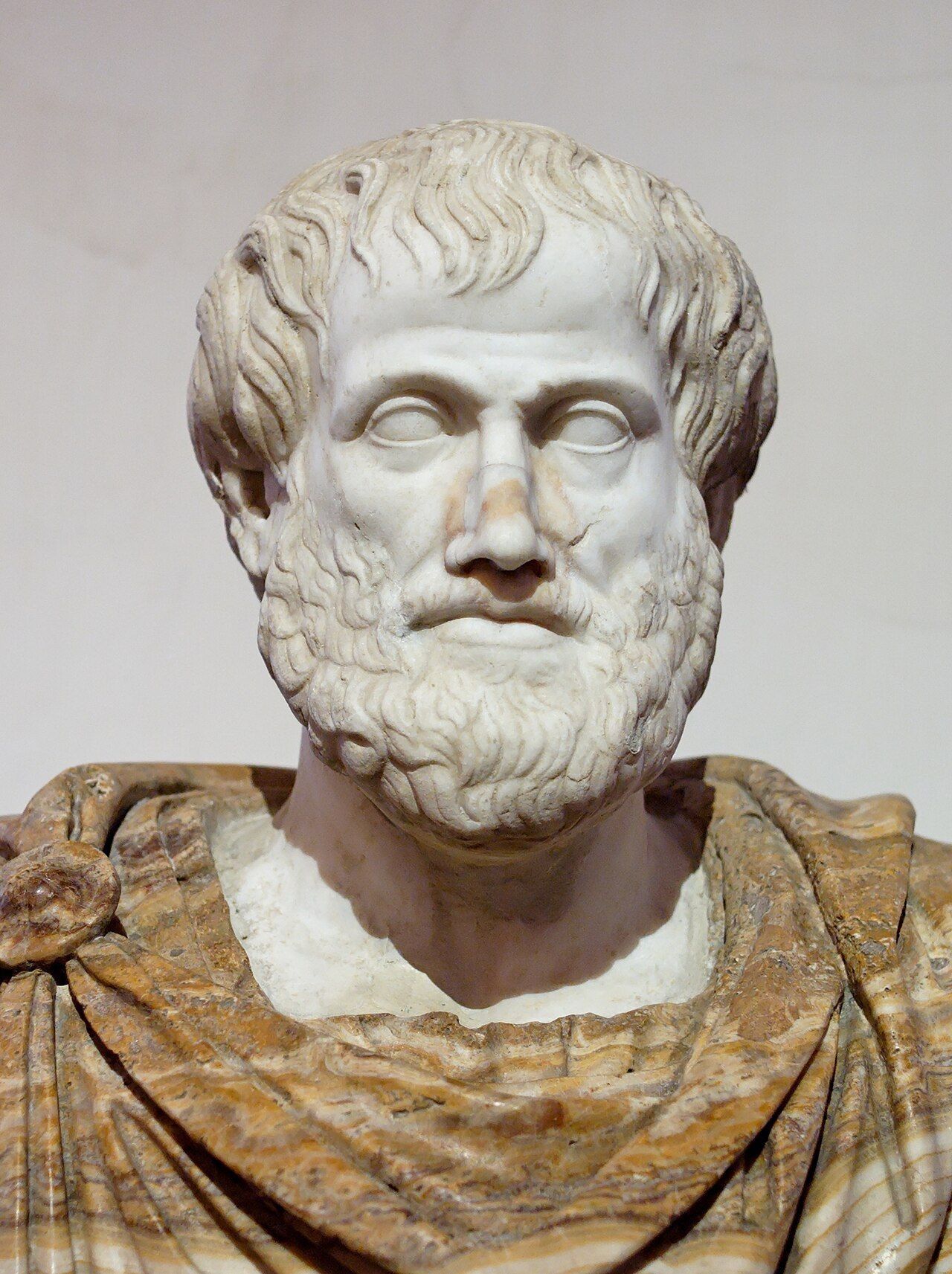
- Ancient Greek and RomanFrom the first Greek natural philosophers to the closure of the Athenian schools, the era that laid the foundations of Western logic, ethics and metaphysics.Socrates, Plato, Aristotle and 24 more
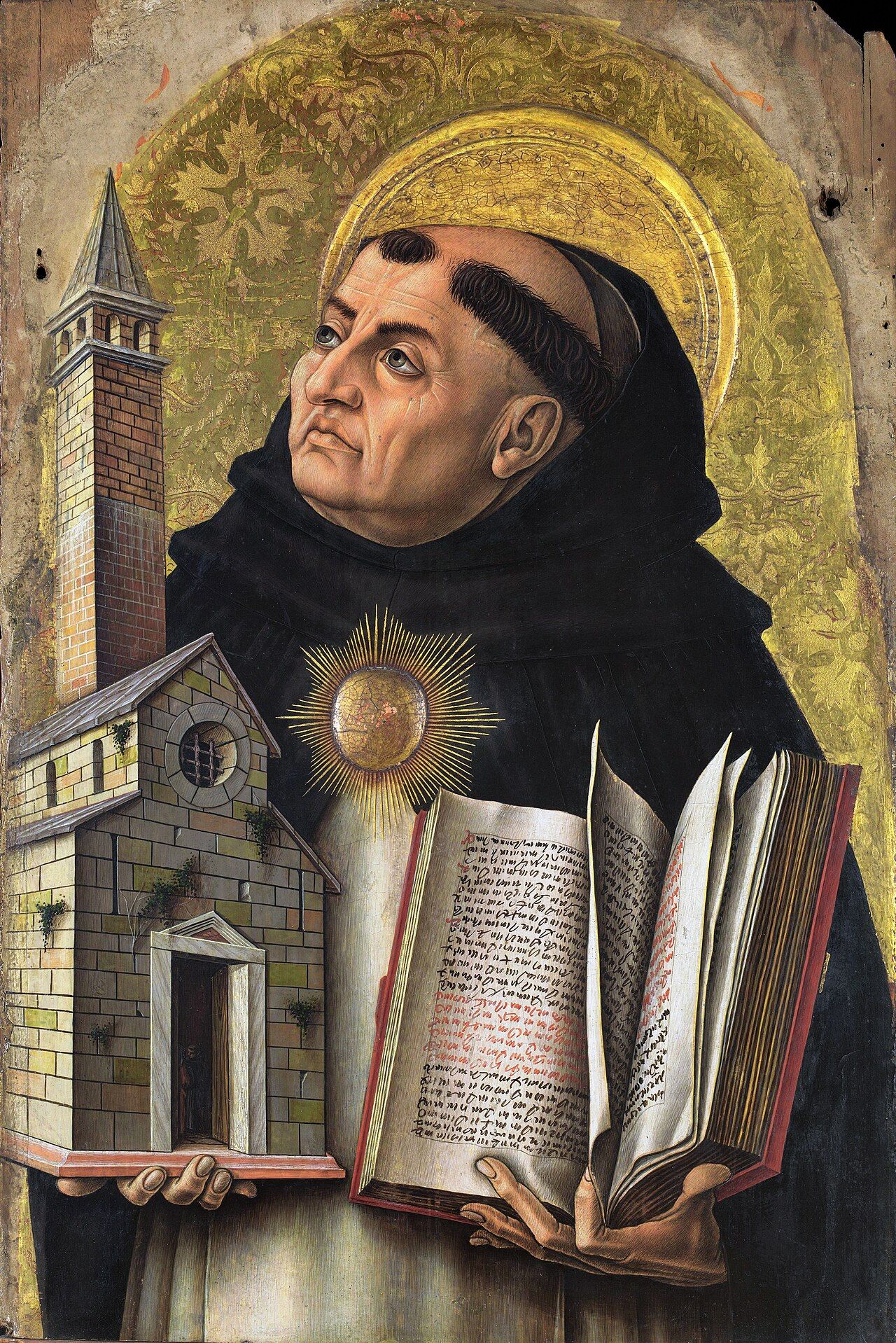
- MedievalPhilosophy in Latin Christendom, shaped by the recovery of Aristotle and the rise of the universities, and culminating in the scholastic syntheses of the thirteenth century.John Scottus Eriugena, Anselm of Canterbury, Thomas Aquinas and 5 more
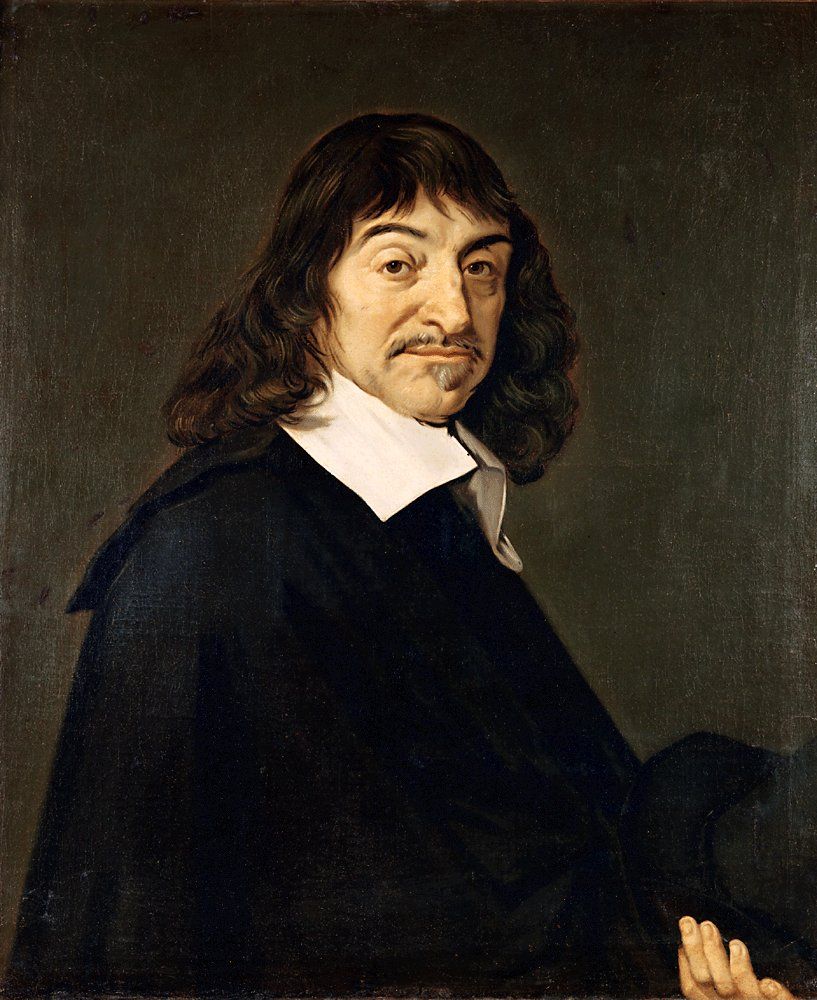
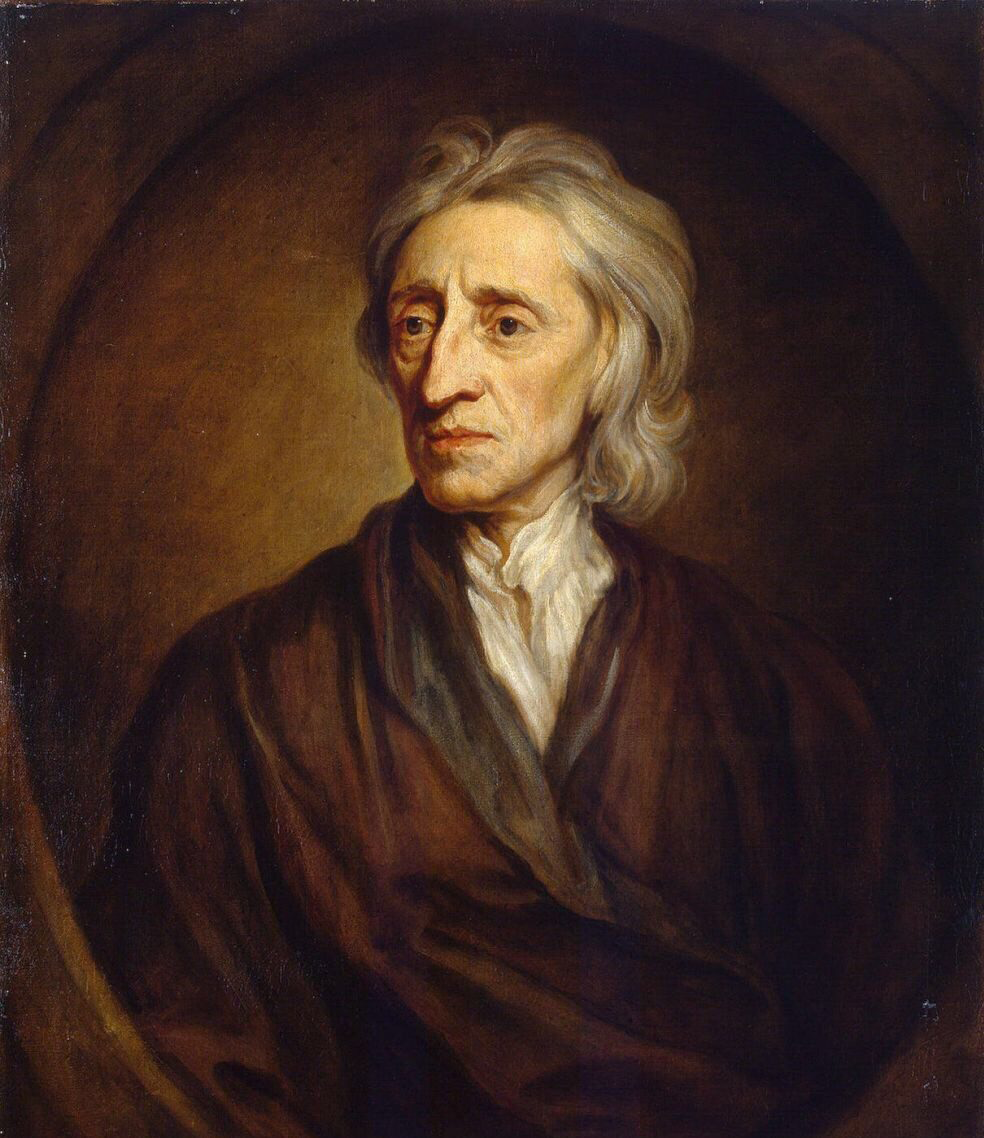
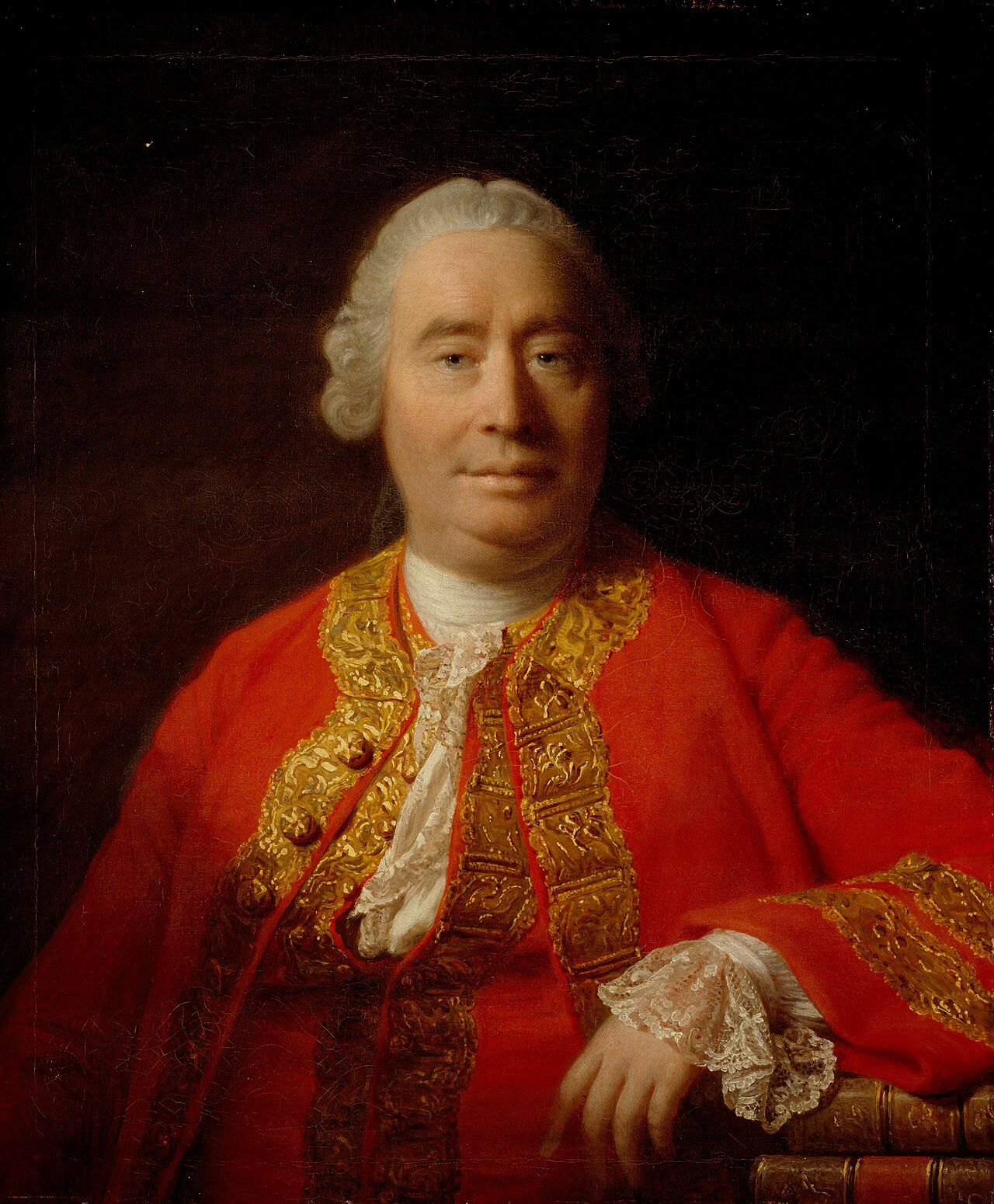
- Early modernThe age of the new science, rationalism and empiricism, from Descartes to Kant.René Descartes, John Locke, David Hume and 13 more
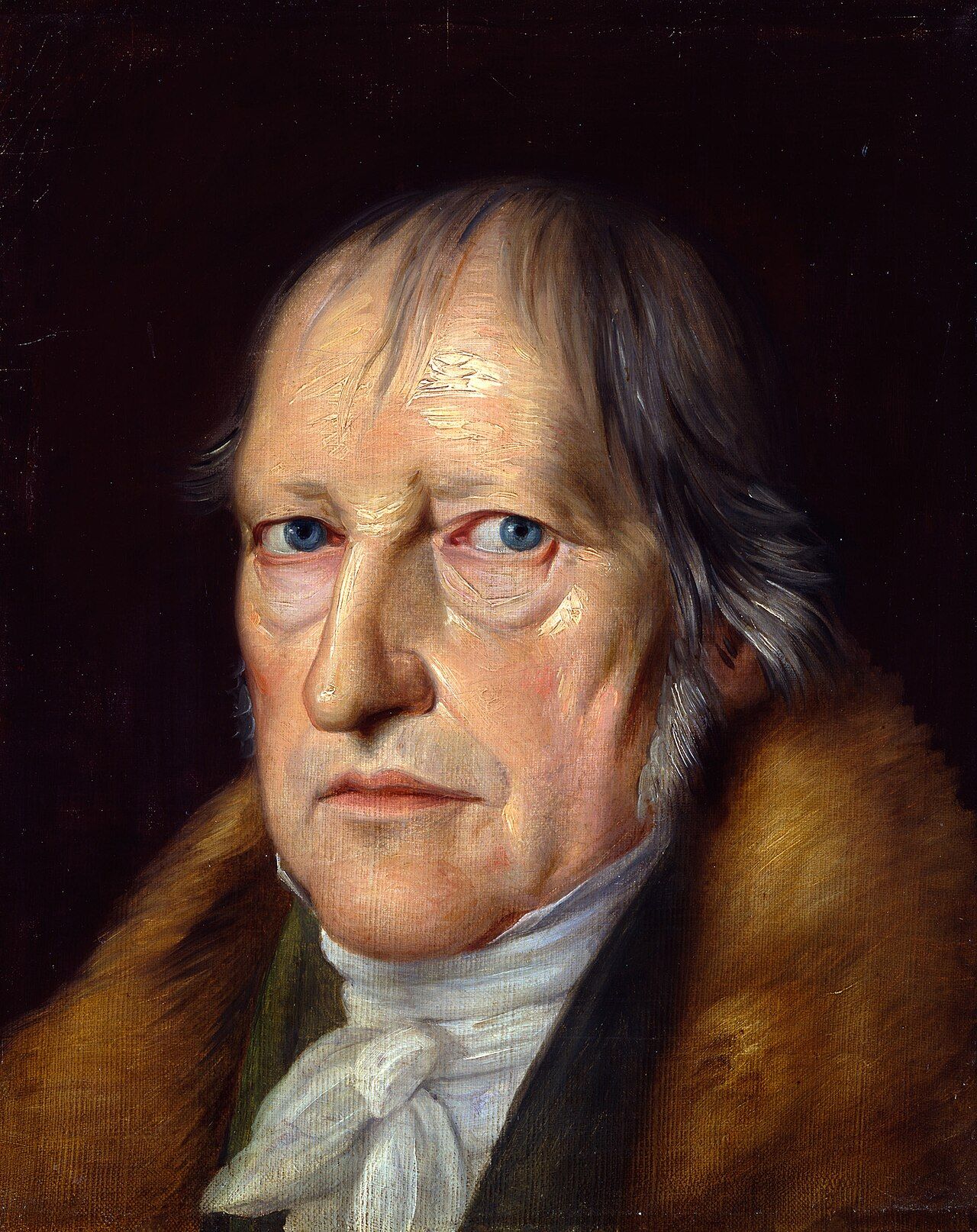
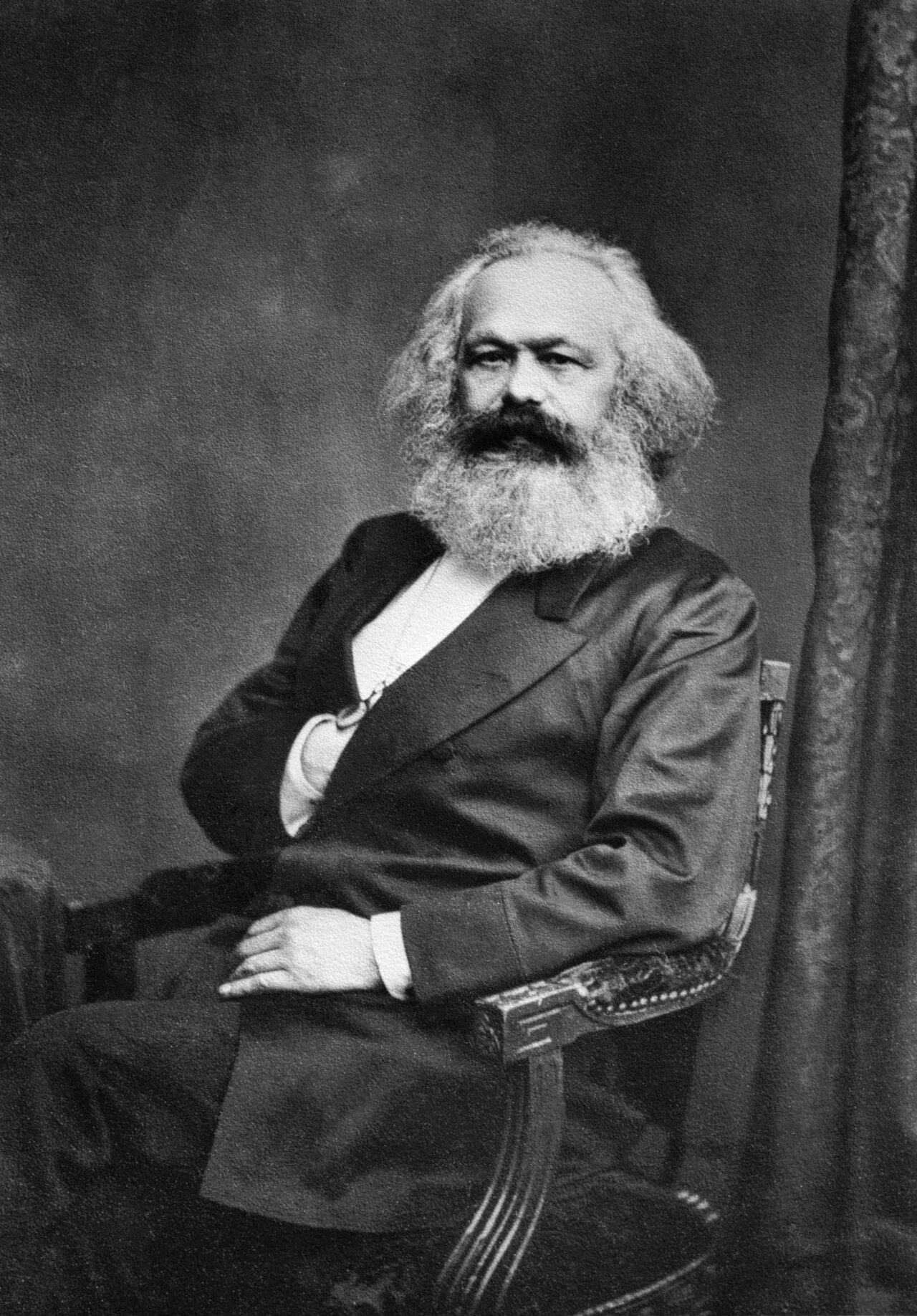
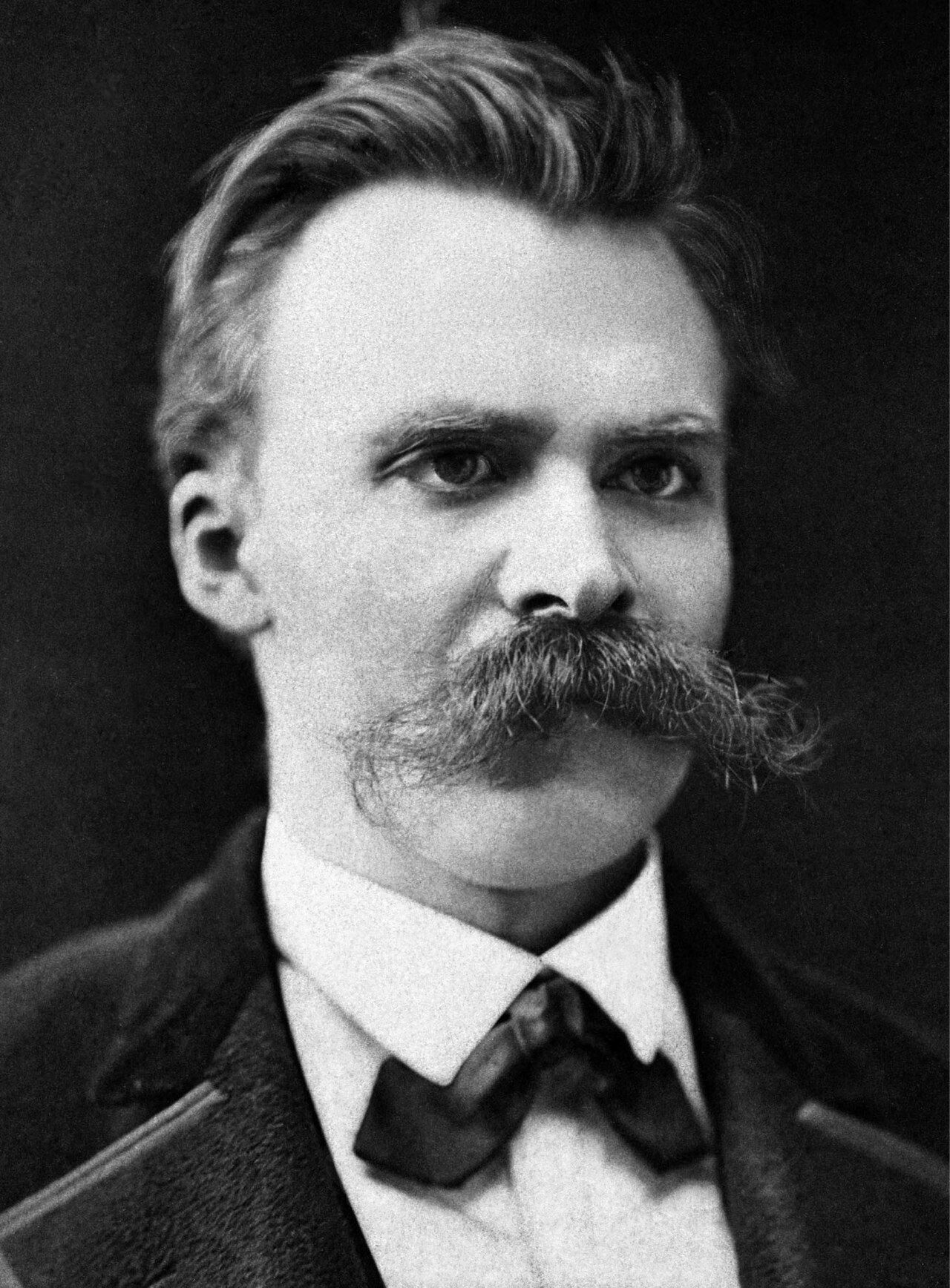
- Late modernThe nineteenth century, from German idealism after Kant to Marx, Mill, Kierkegaard and Nietzsche.G. W. F. Hegel, Karl Marx, Friedrich Nietzsche and 9 more
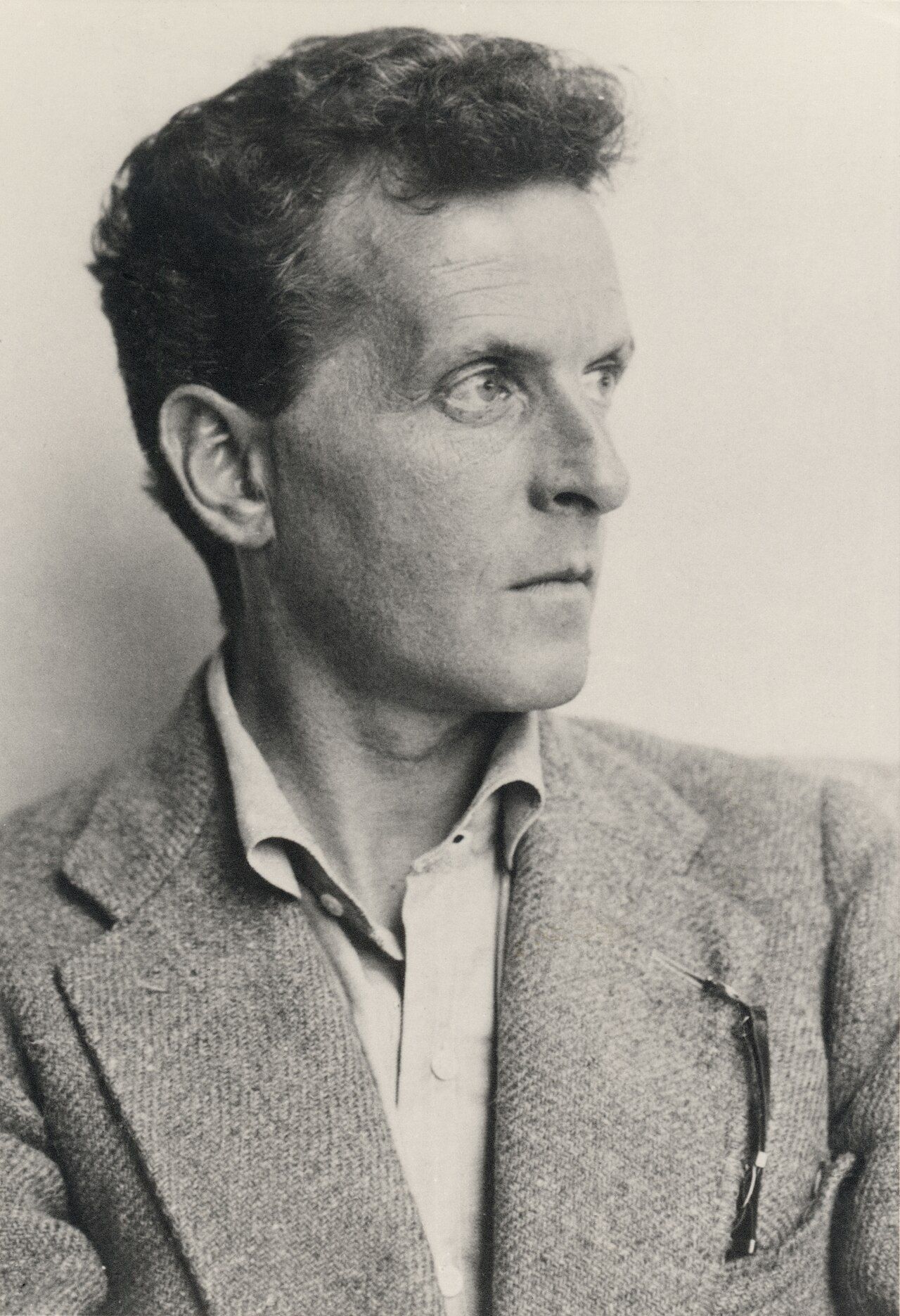
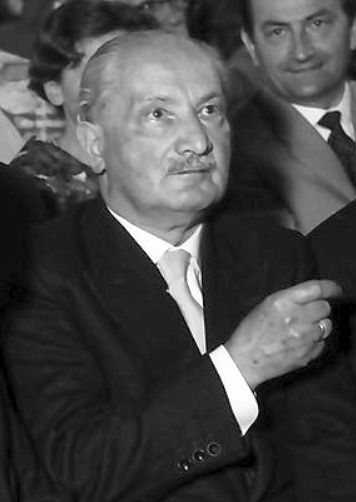
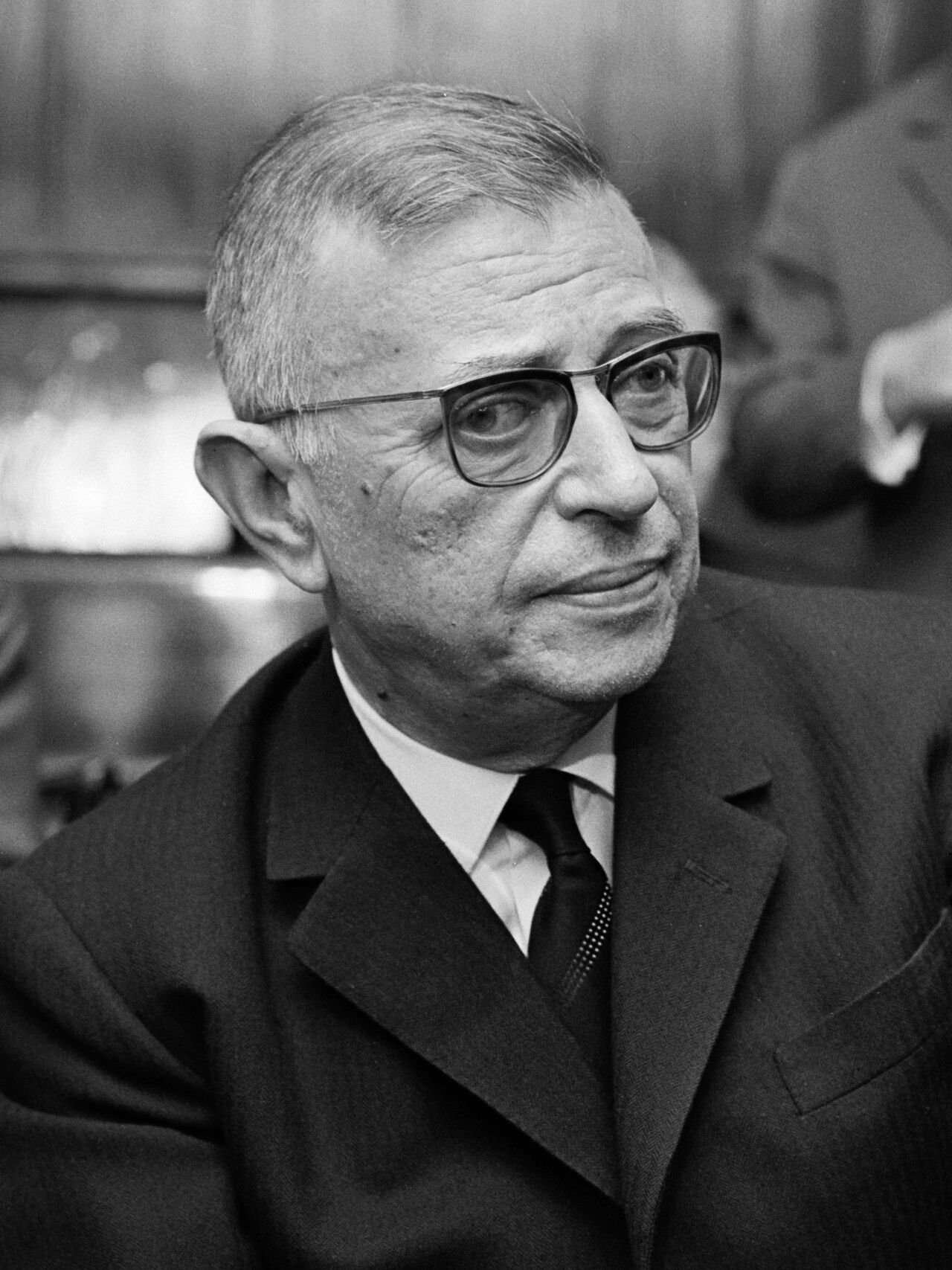
- ContemporaryPhilosophy from 1900 to the present, including the analytic tradition of Russell and Wittgenstein and the phenomenology and existentialism of Heidegger and Beauvoir.Ludwig Wittgenstein, Martin Heidegger, Jean-Paul Sartre and 19 more
Jewish
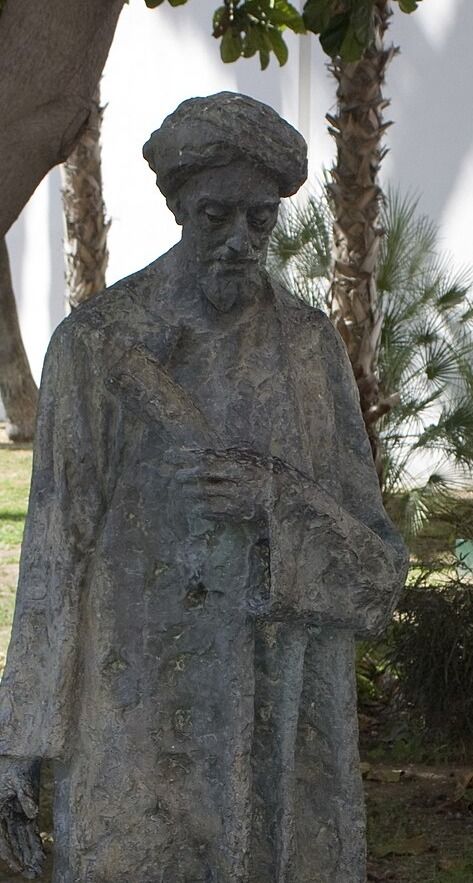
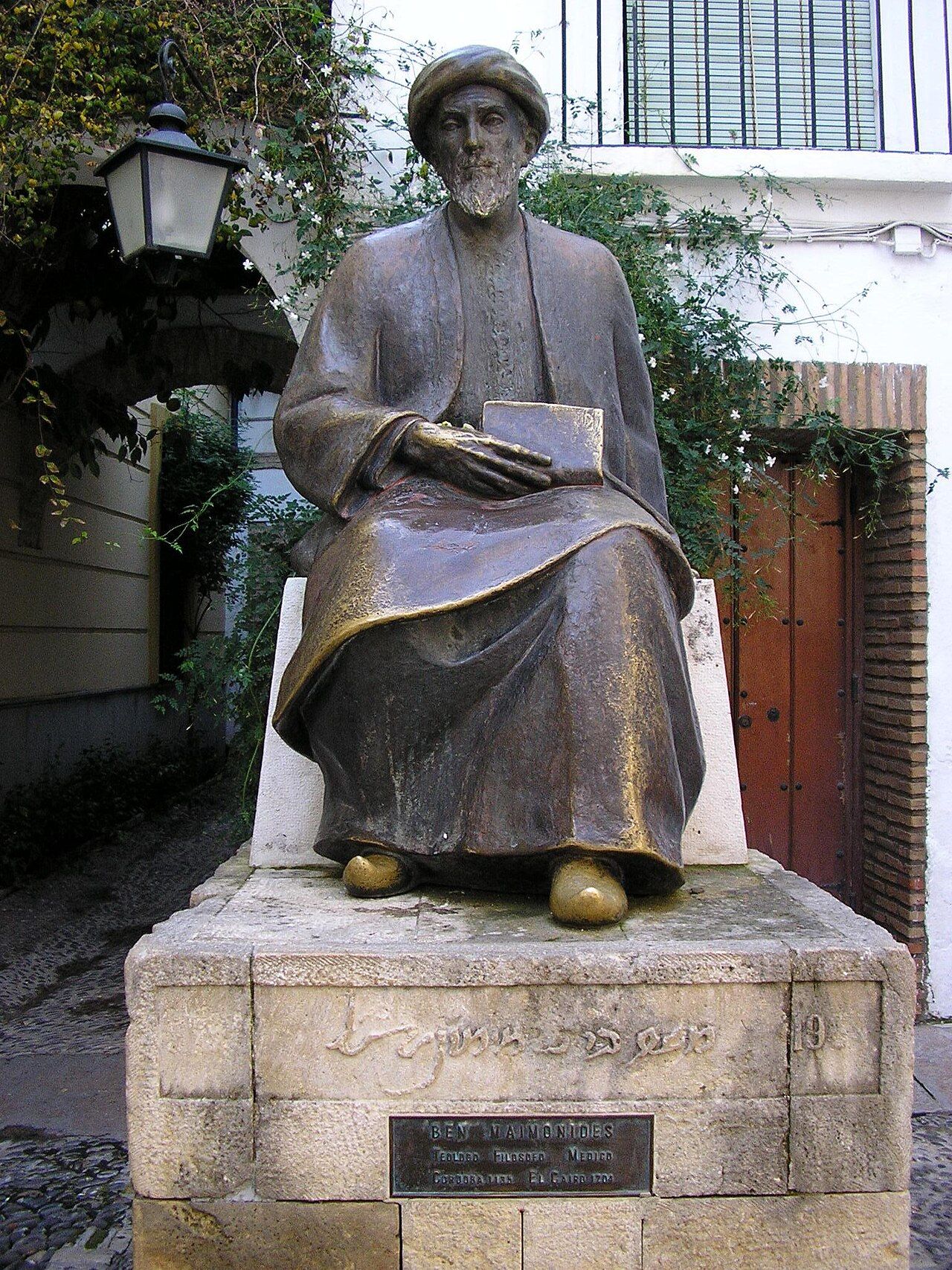
- Judaeo-ArabicJewish philosophy in the Islamic world, written mostly in Arabic, from Saadia Gaon in Baghdad to Maimonides in Cairo, in dialogue with kalam theology and Greek philosophy.Saadia Gaon, Solomon ibn Gabirol, Maimonides and 1 more
- Provence and SpainAfter Maimonides, Jewish philosophy in Hebrew in Christian Provence and Spain, which absorbed Averroes' Aristotle and argued over it, until the expulsion of the Jews from Spain.Gersonides and Hasdai Crescas
Arabic and Islamic
- Classical IslamicThe era of the great falsafa philosophers, who built on Greek philosophy translated into Arabic, from al-Kindi to Averroes.Avicenna, al-Ghazali, Averroes and 6 more
- Later IslamicPhilosophy in the Islamic world after the classical period, from the Illuminationist tradition to Mulla Sadra's school in Safavid Iran and beyond.Ibn Arabi, Ibn Taymiyya and Mulla Sadra
Chinese
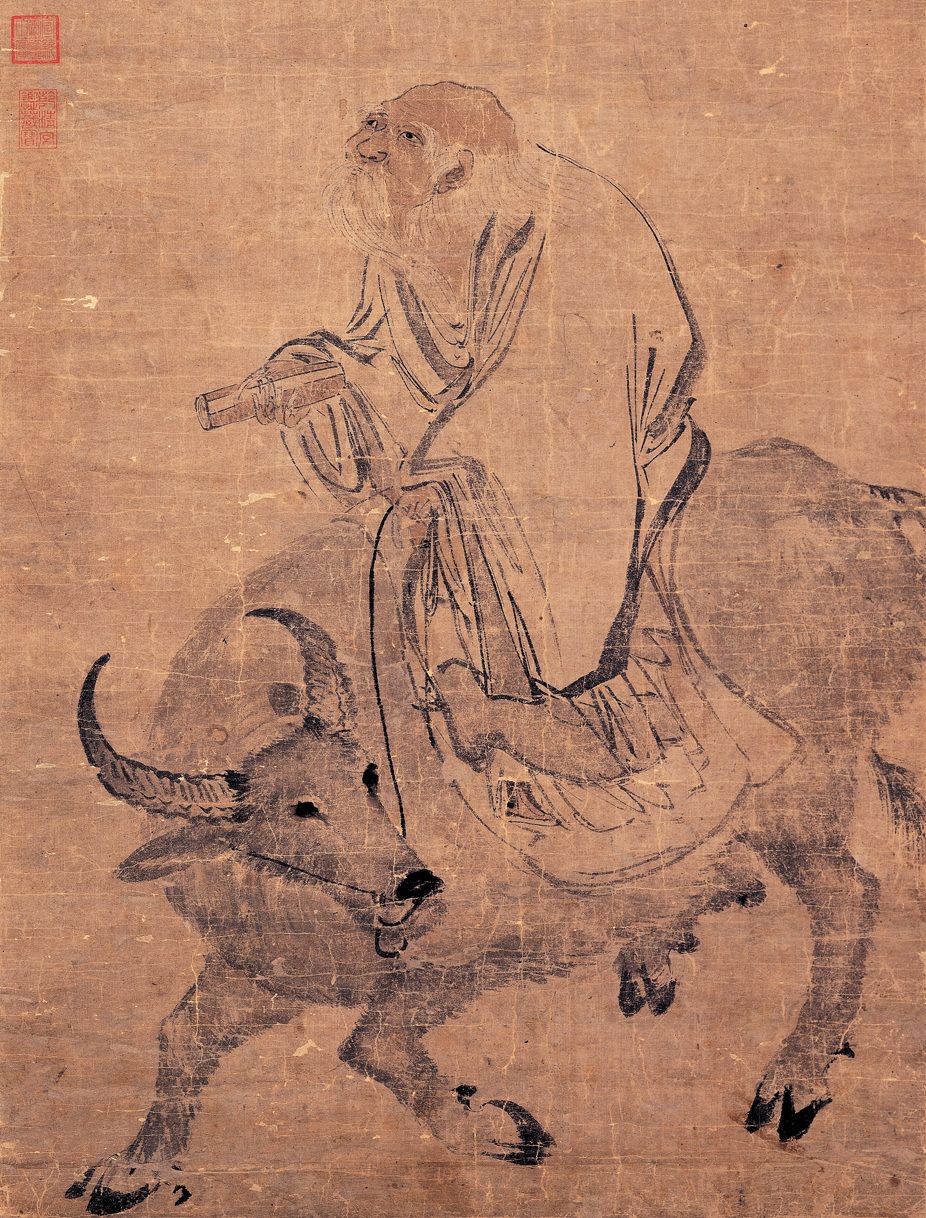
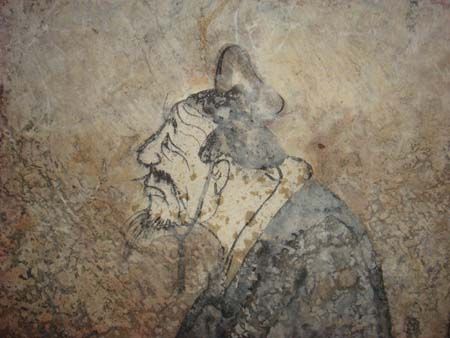
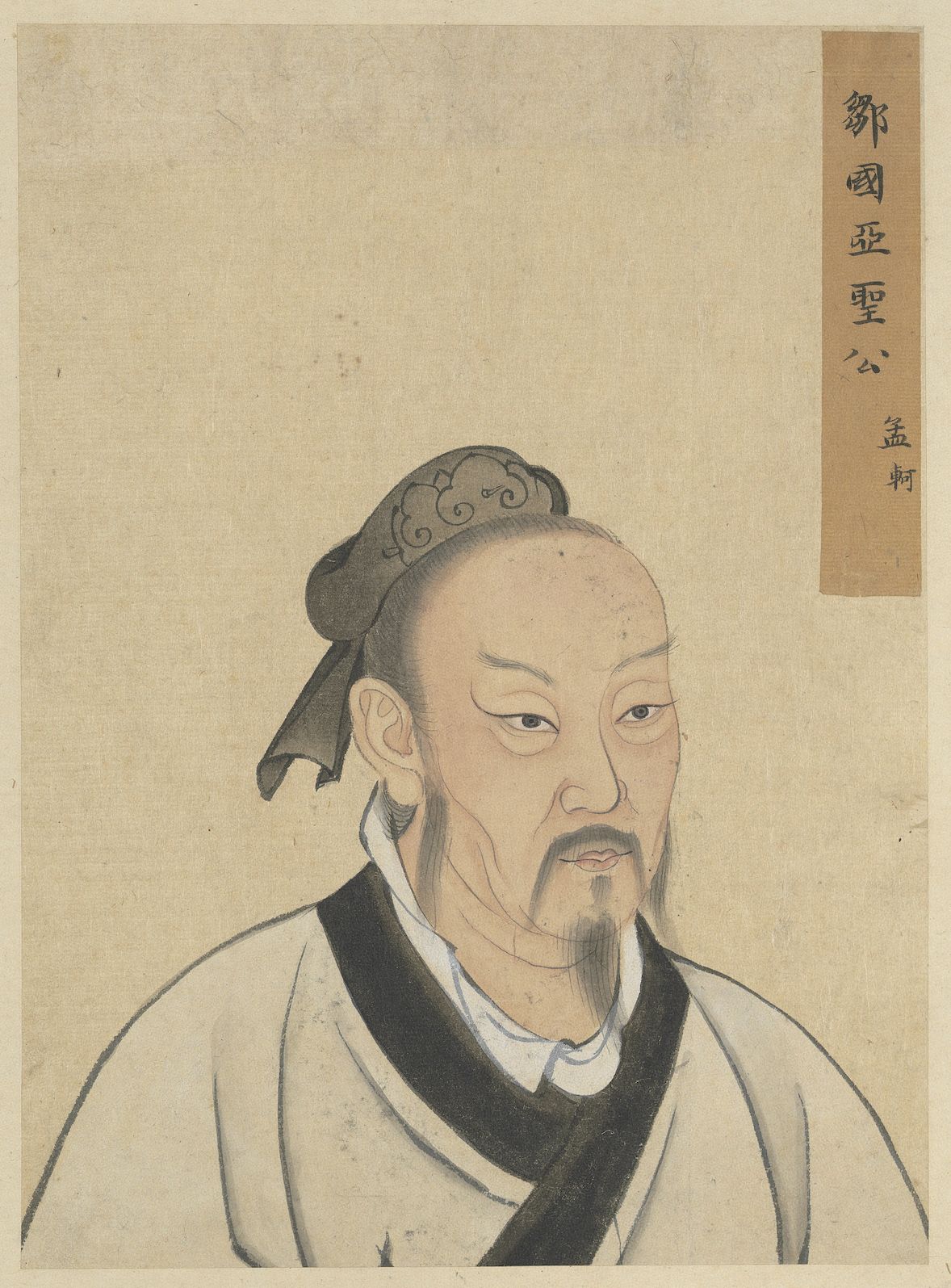
- Classical ChineseThe 'Hundred Schools of Thought' of the late Zhou dynasty, ending with the unification of China under the Qin in 221 BCE.Laozi, Confucius, Mencius and 4 more
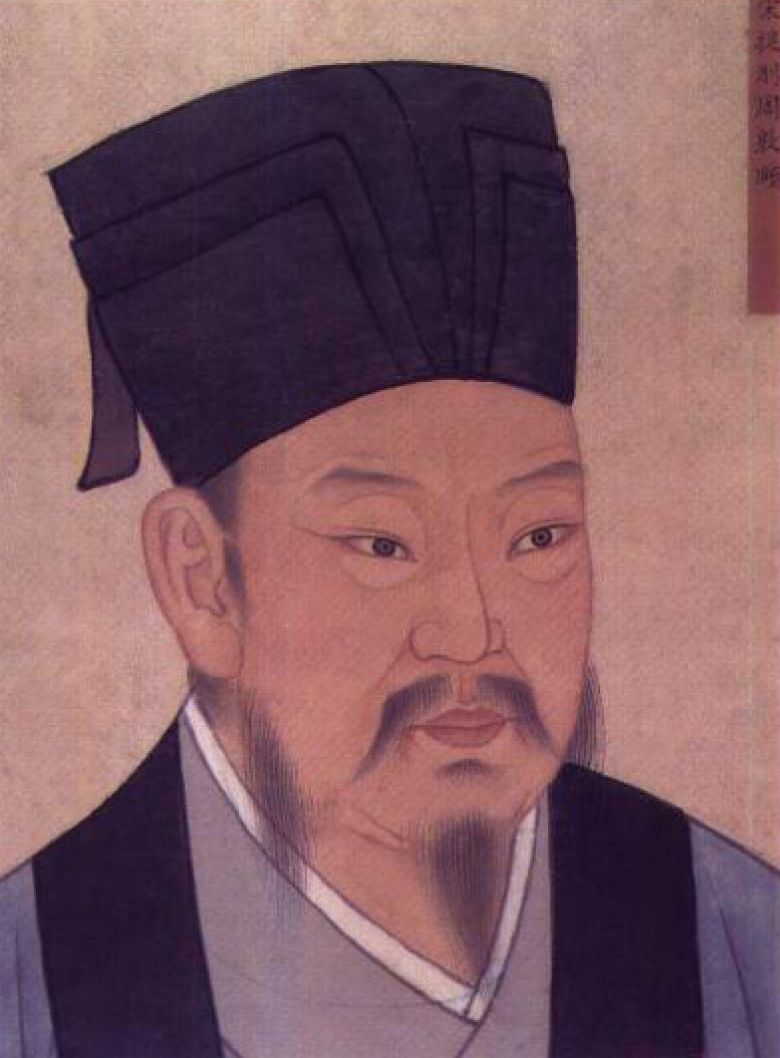
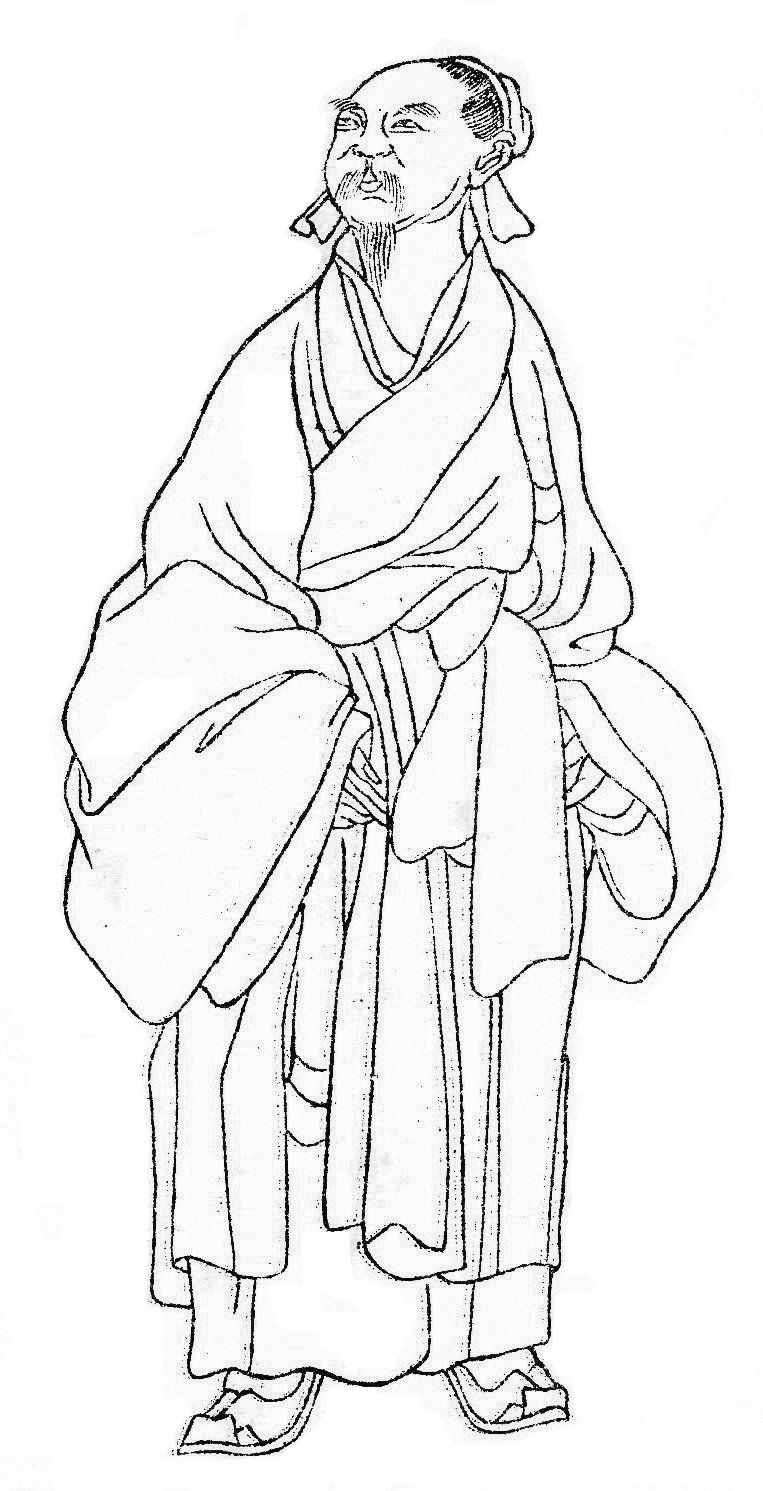
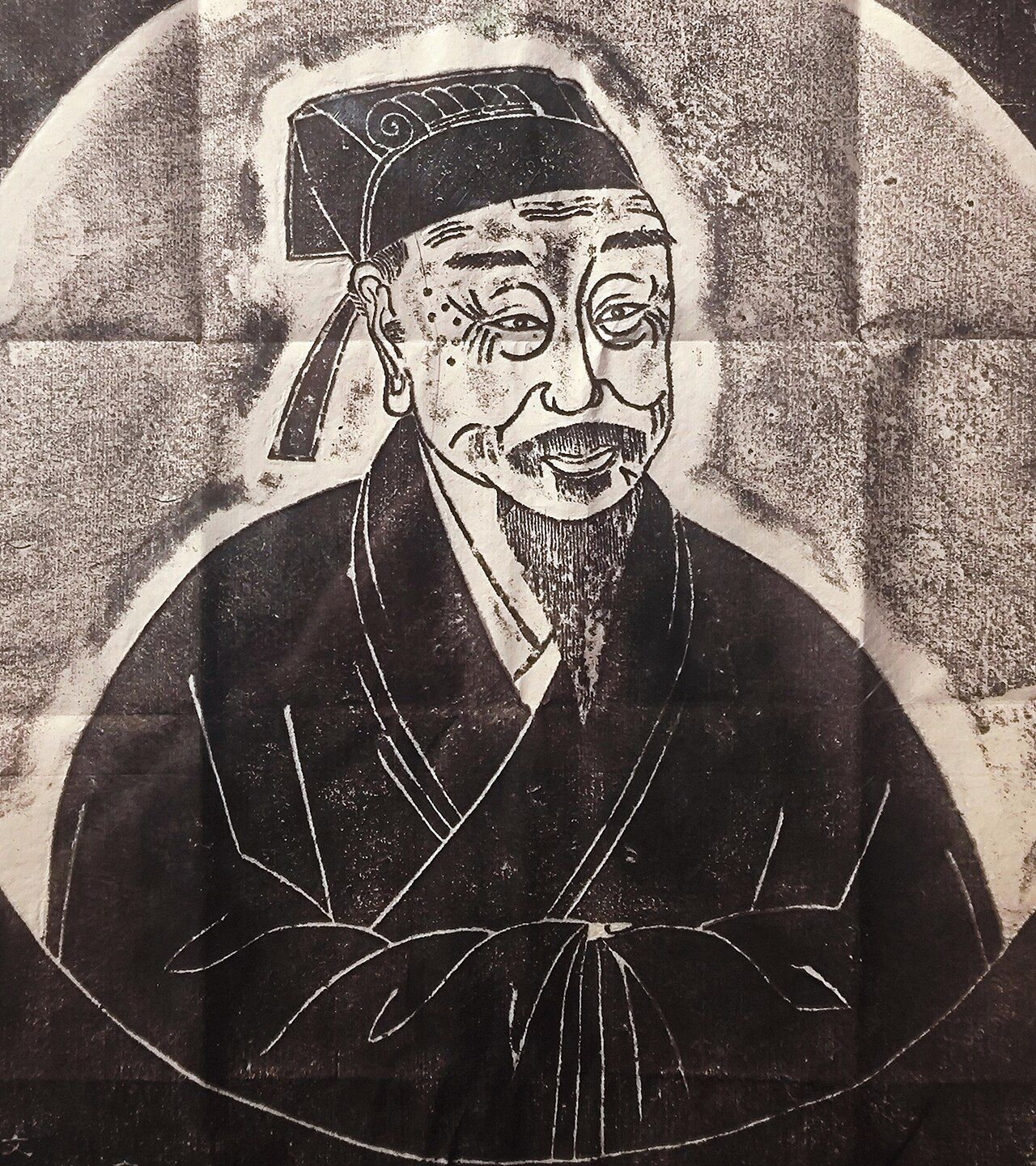
- Song–MingThe Song and Ming dynasties, when Neo-Confucian thinkers such as Zhu Xi and Wang Yangming renewed Confucianism in dialogue with Buddhism and Daoism.Zhou Dunyi, Zhang Zai, Zhu Xi and 2 more
Japanese
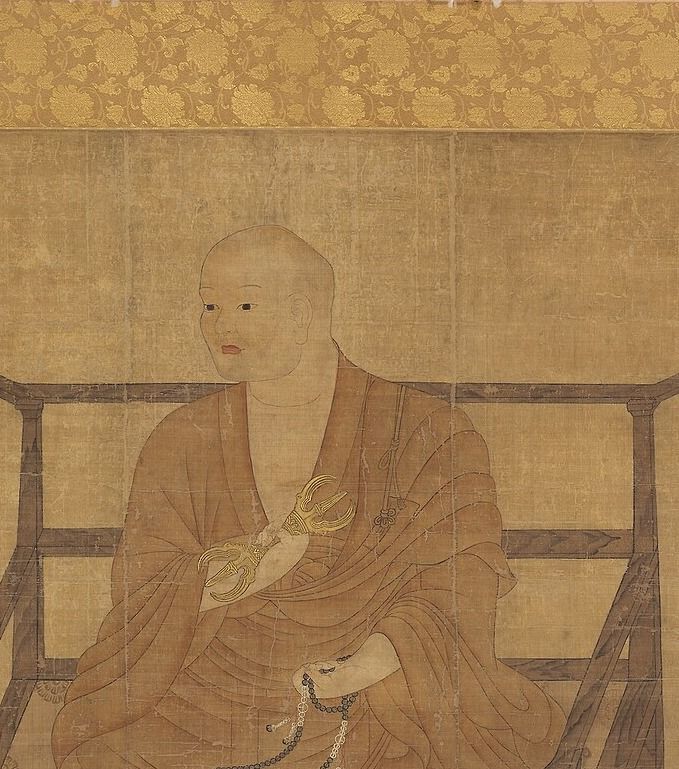
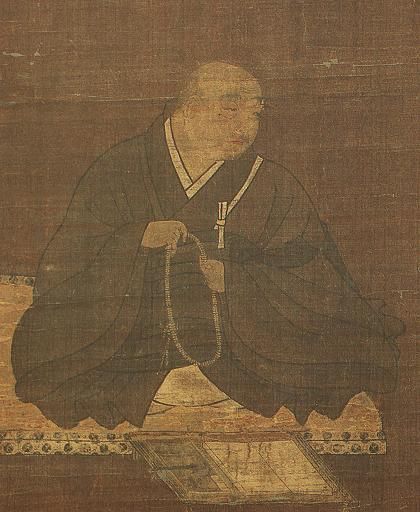
- Classical JapaneseFrom Prince Shōtoku's constitution to the end of aristocratic rule, when Buddhism came to dominate Japanese thought and Kūkai founded Shingon esoteric Buddhism.Kūkai and Hōnen
- Medieval JapaneseThe age of military rule, war and disaster, when new Buddhist movements such as Pure Land, Zen and Nichiren each selected a single practice as the way to liberation.
- EdoThe peace of the Tokugawa shogunate, when a new Neo-Confucianism became Japan's leading philosophy, alongside Buddhist and Shintō thought.
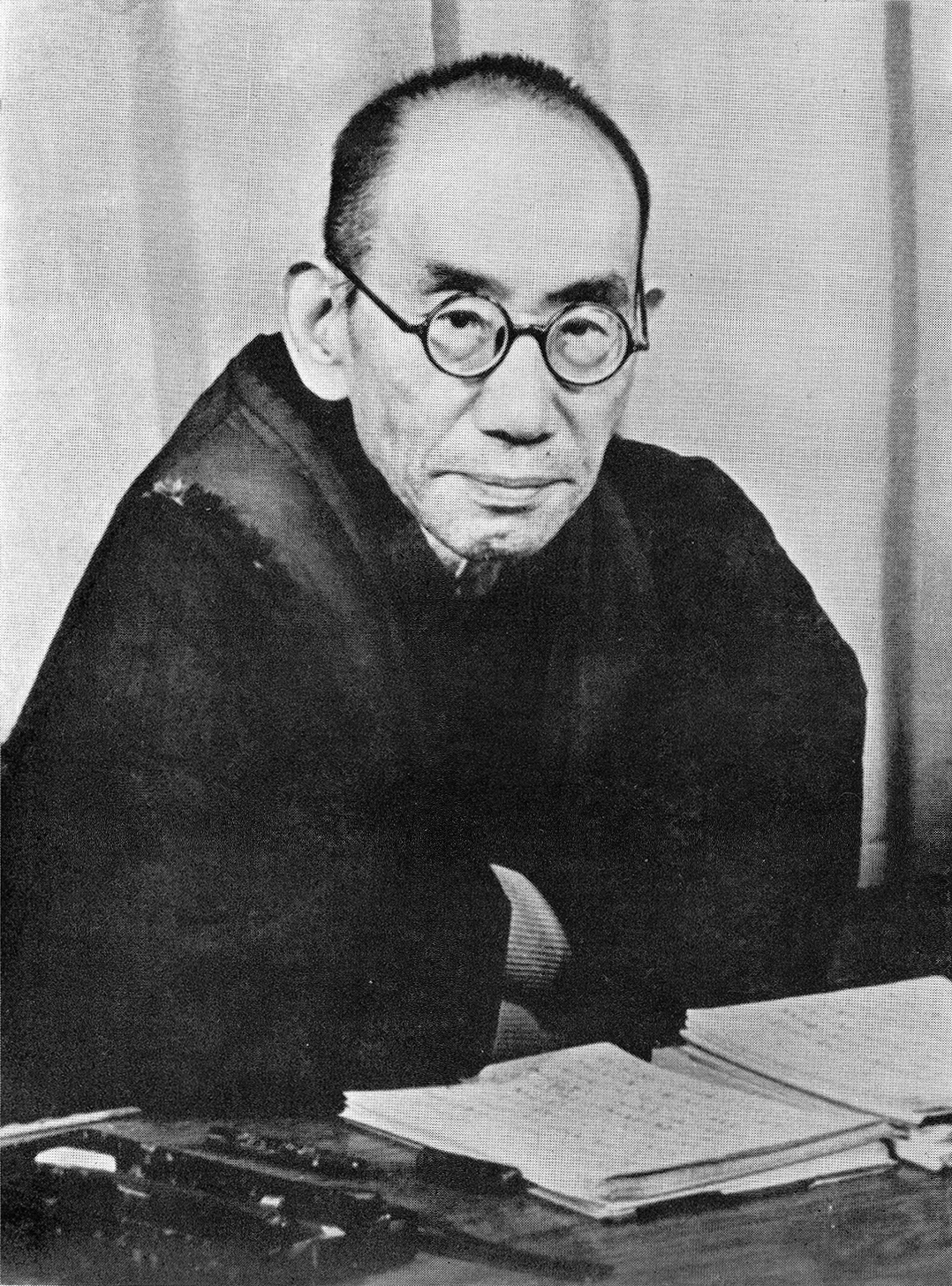
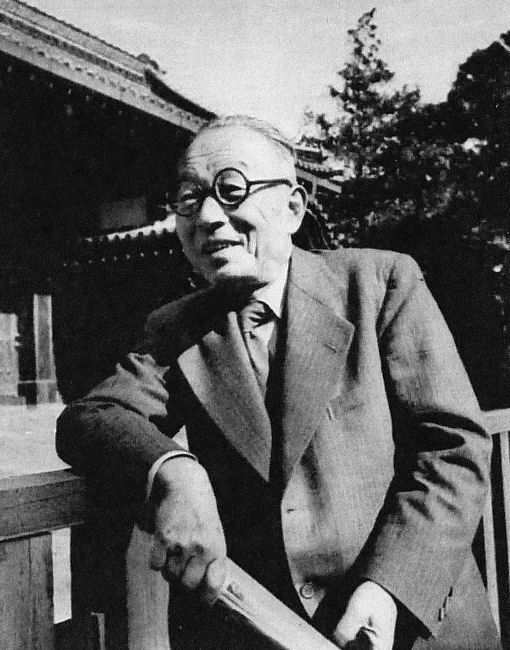
- Modern JapaneseFrom the Meiji Restoration, as Japan took up Western philosophy and Nishida Kitarō and the Kyoto School brought it into dialogue with Buddhist thought.Nishida Kitarō, Tanabe Hajime, Watsuji Tetsurō and 1 more