Schools
Western
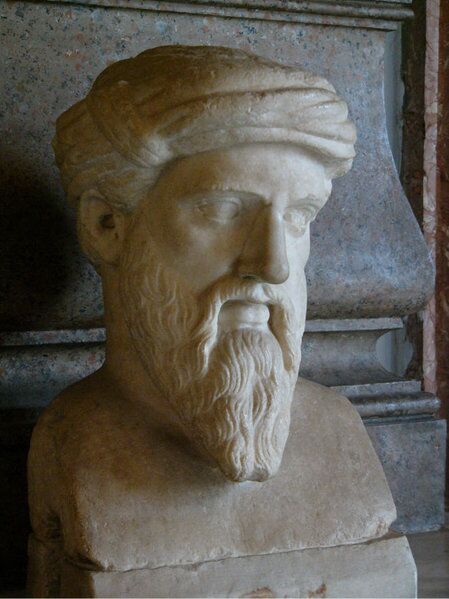
- PythagoreanismThe philosophy and strict way of life founded by Pythagoras, later developed by Philolaus and Archytas into an account of the cosmos in terms of number.Pythagoras
- AtomismThe ancient Greek theory, founded by Leucippus and Democritus and revived by Epicurus, that everything is made of indivisible bodies moving in an infinite void.Democritus and Epicurus
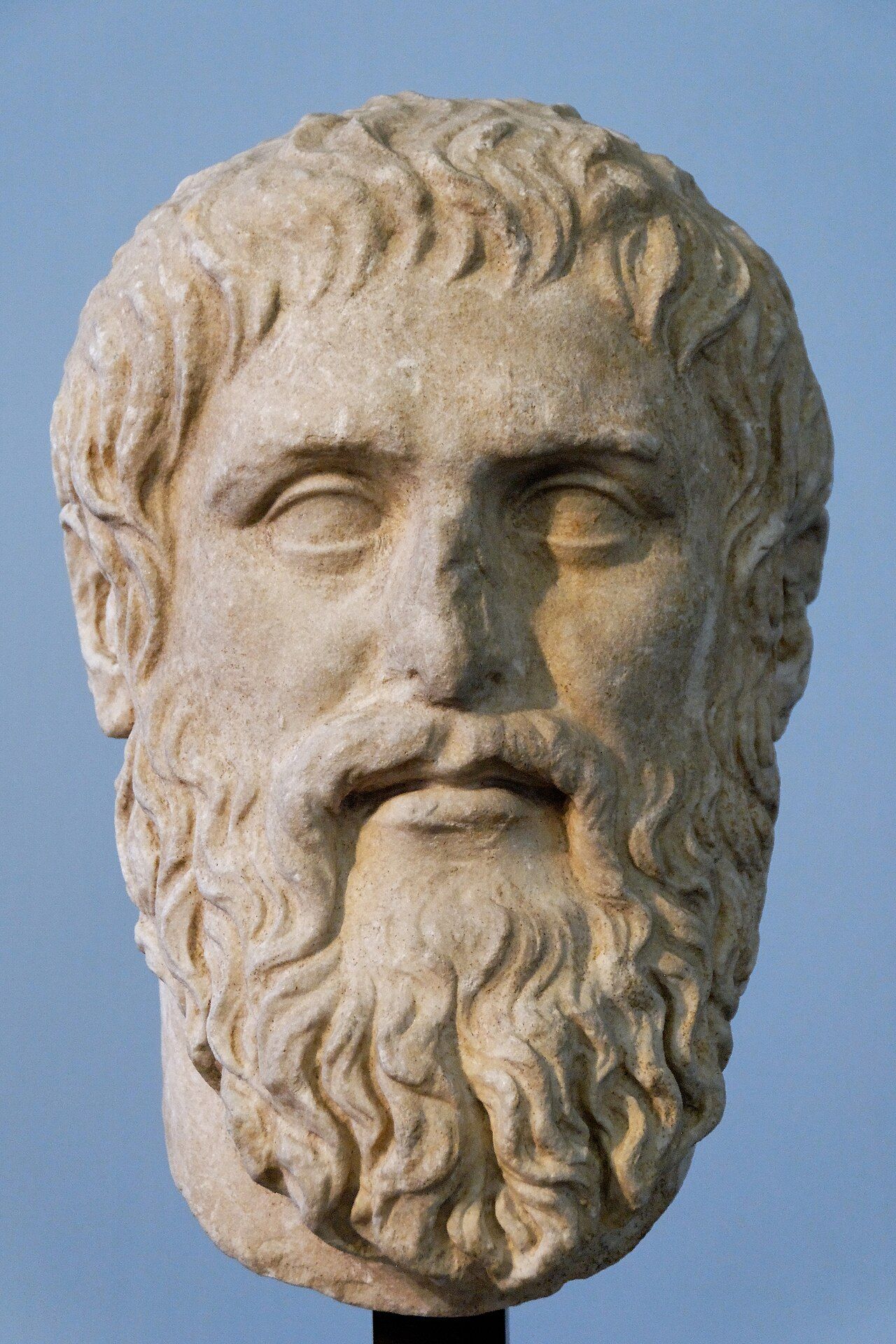
- PlatonismThe philosophy of Plato and his successors, centred on the reality of unchanging Forms that the physical world imperfectly reflects.Plato
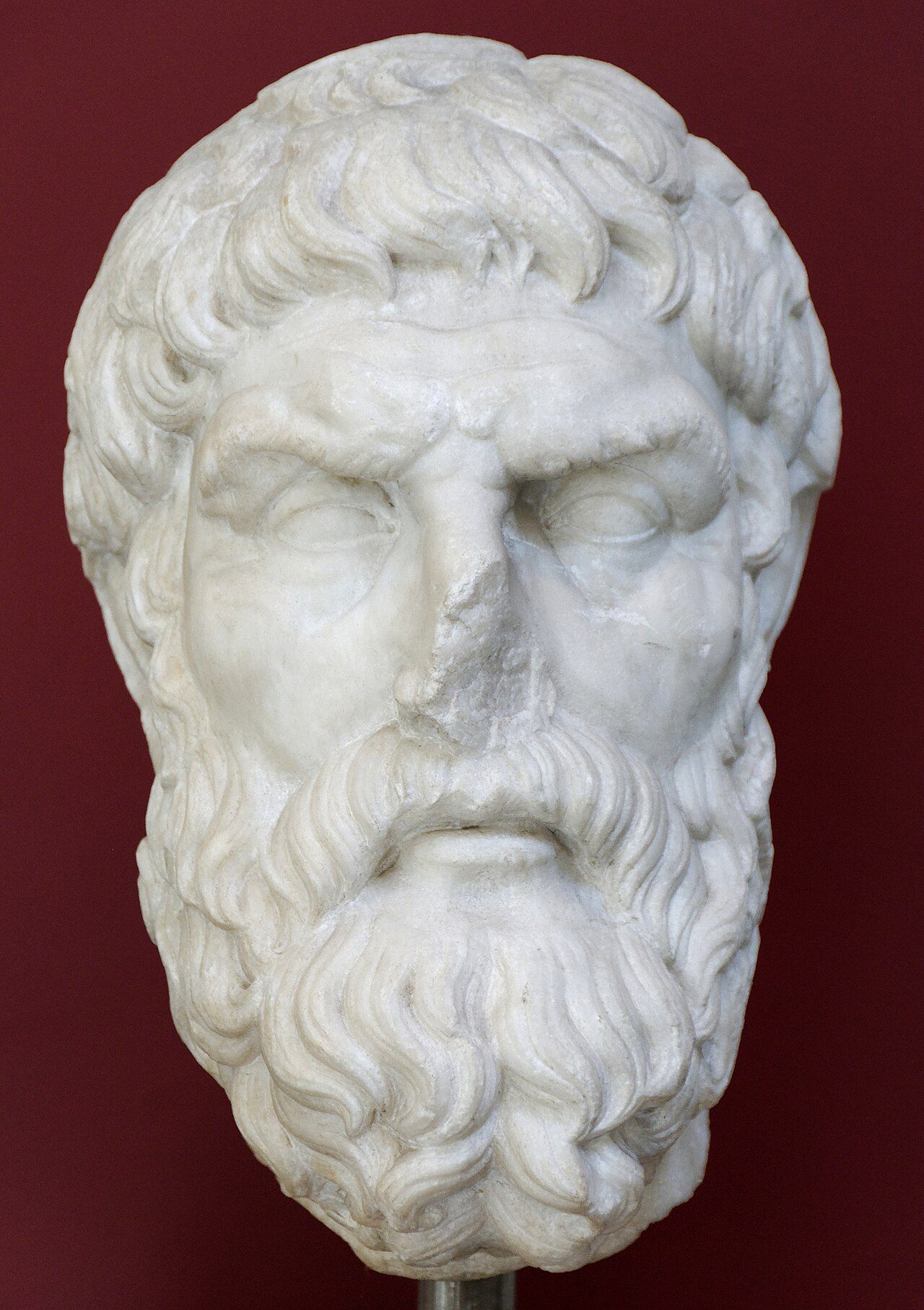
- EpicureanismSchool founded by Epicurus in Athens, teaching that tranquil pleasure is the goal of life and that the world consists of atoms moving in the void.Epicurus and Lucretius
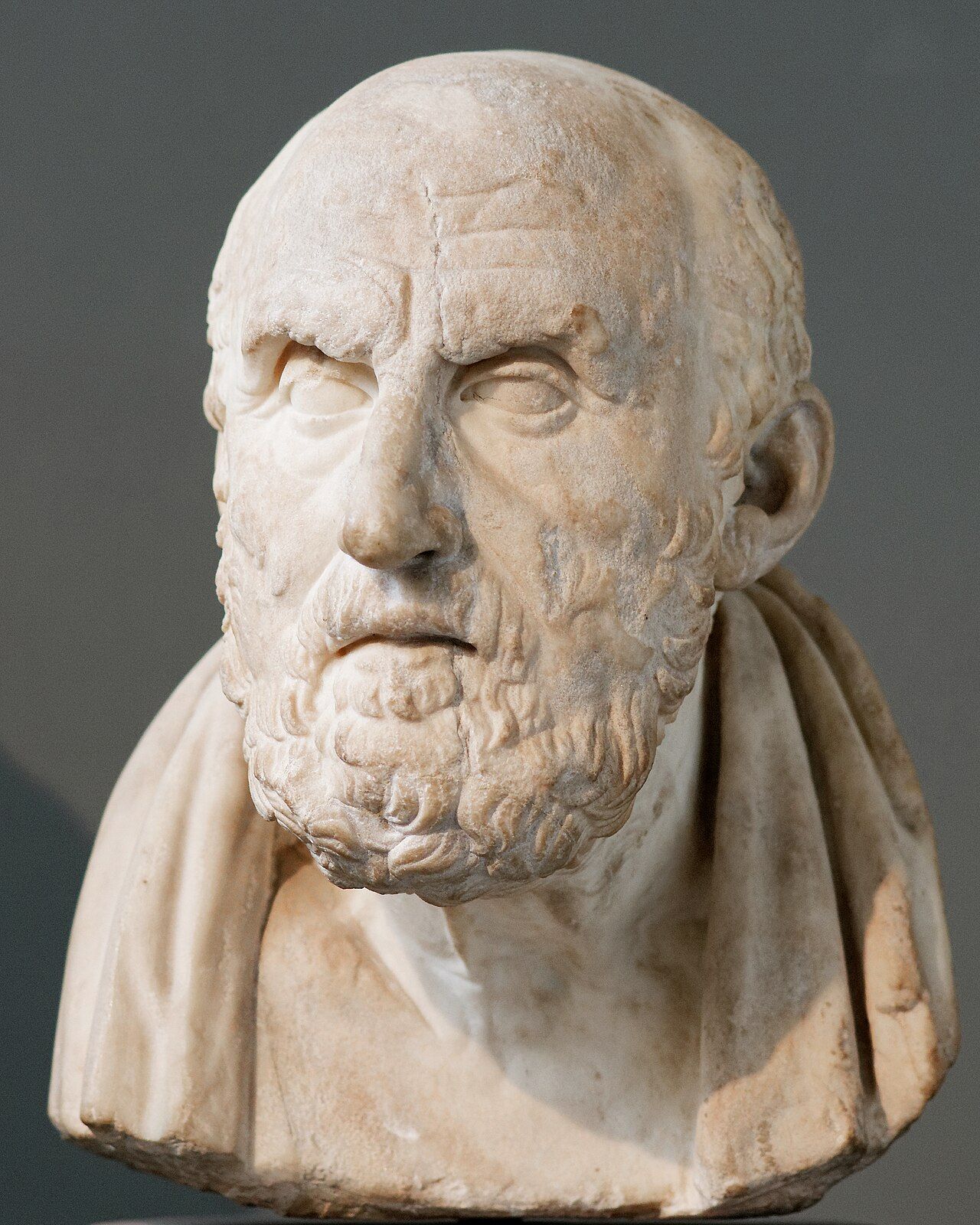
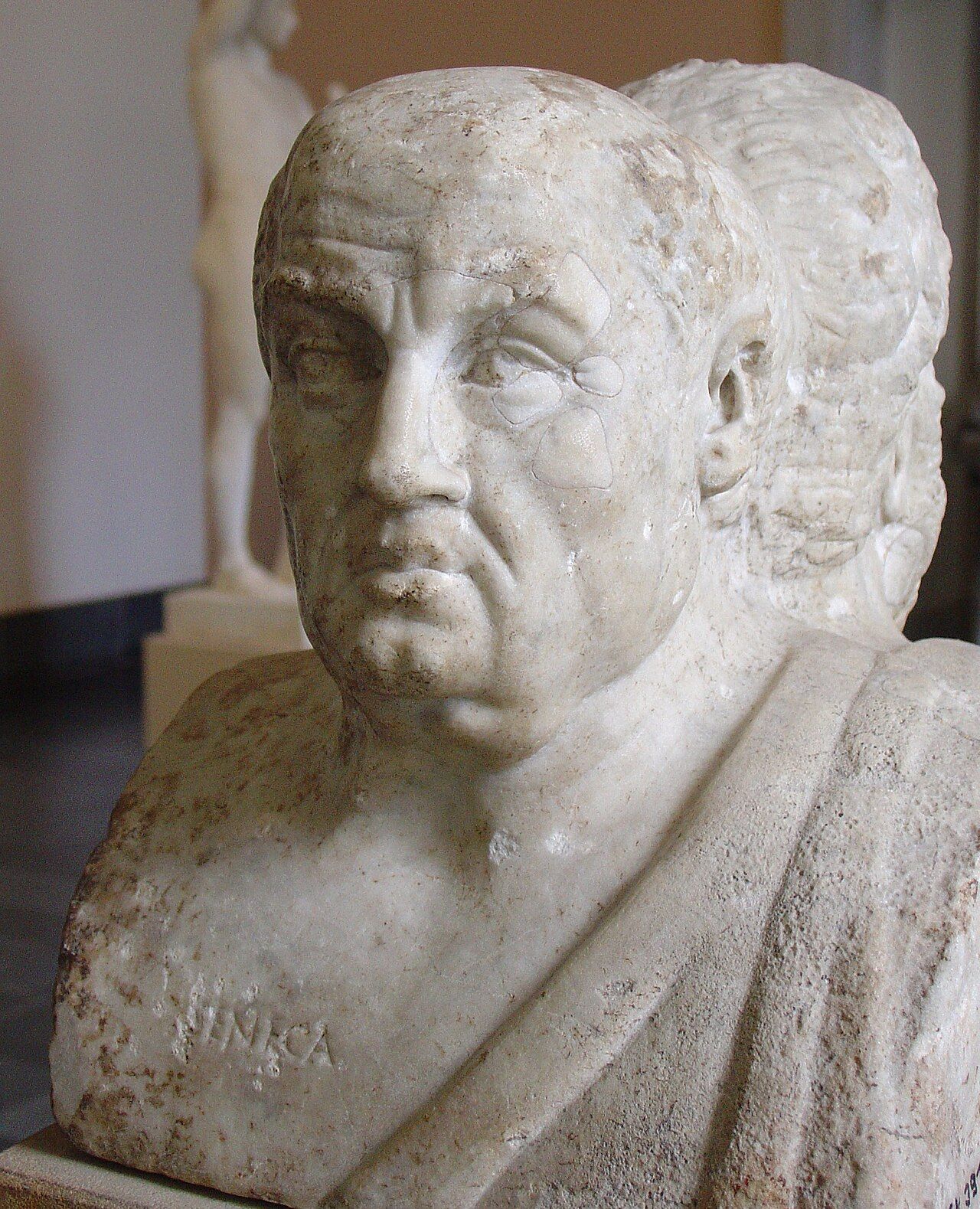
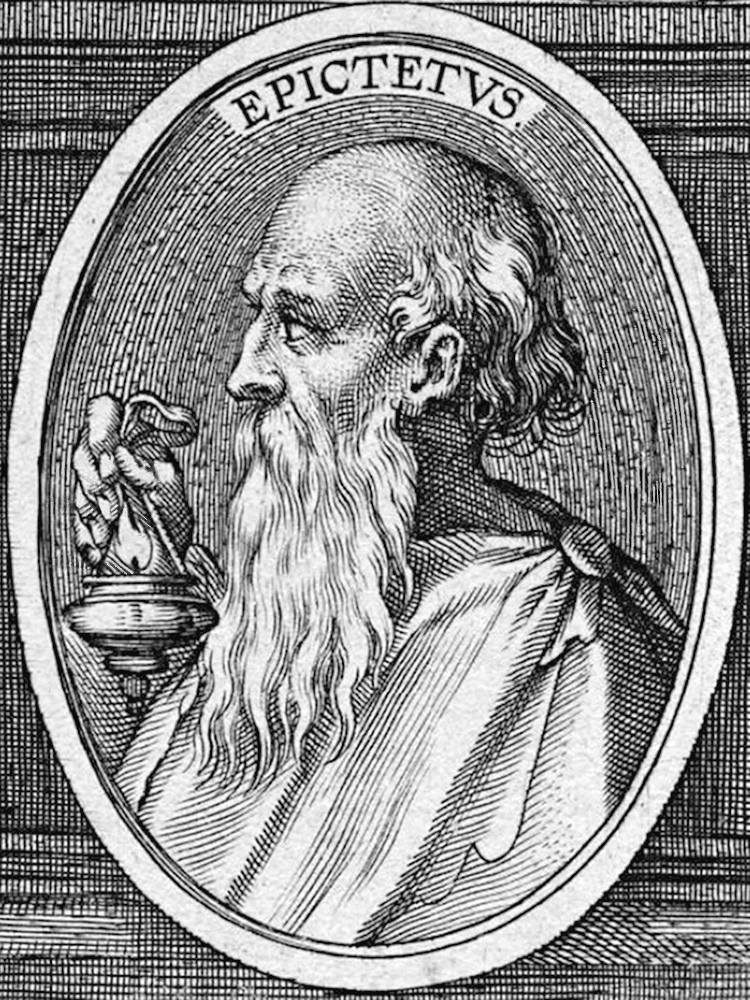
- StoicismHellenistic school founded in Athens by Zeno of Citium, teaching that virtue, a life in agreement with nature and reason, is the only good.Chrysippus, Seneca, Epictetus and 1 more
- PyrrhonismAncient school of scepticism, named after Pyrrho, which set equally strong arguments against each other to reach suspension of judgement and, with it, tranquillity.Sextus Empiricus
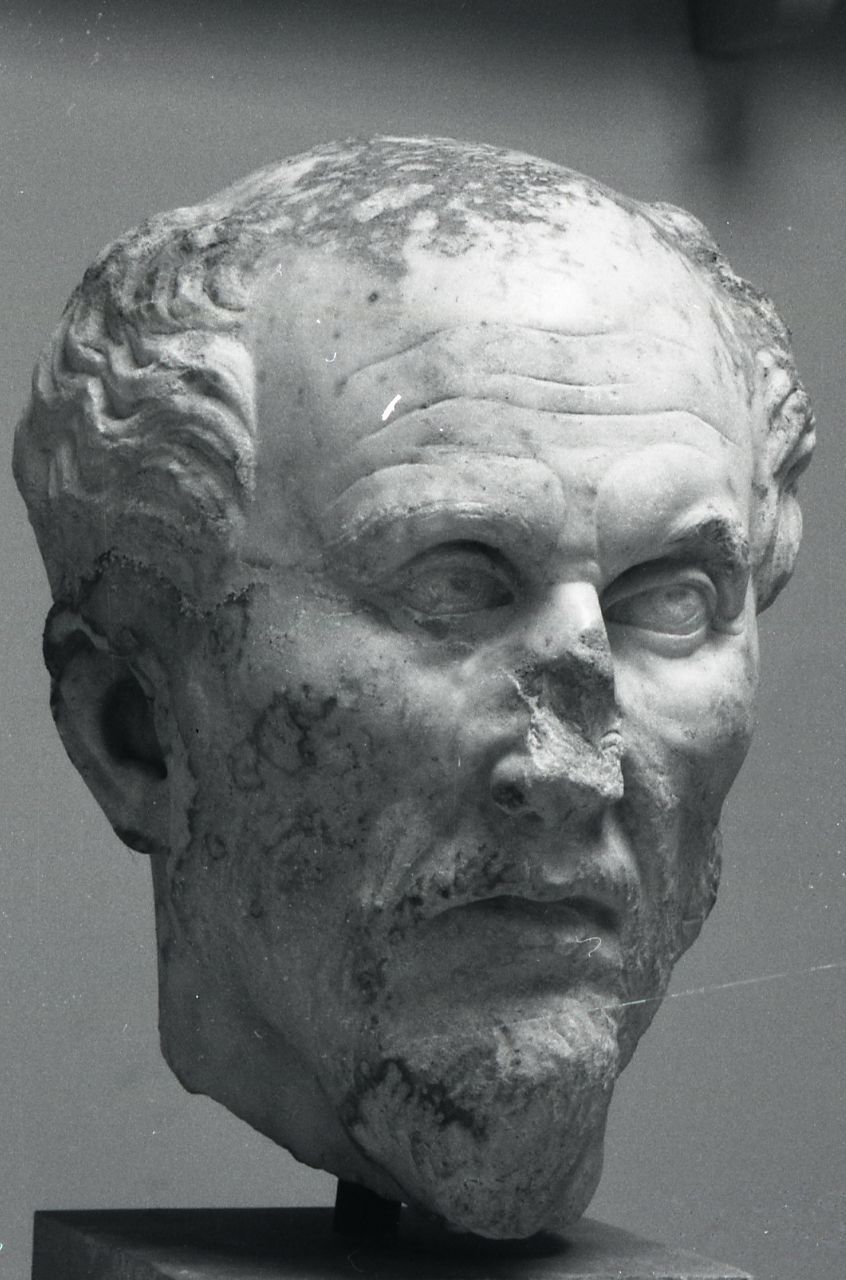
- NeoplatonismLate ancient revival of Plato's philosophy, begun by Plotinus, which described all reality as flowing from a single first principle, the One.Plotinus, Proclus and John Scottus Eriugena
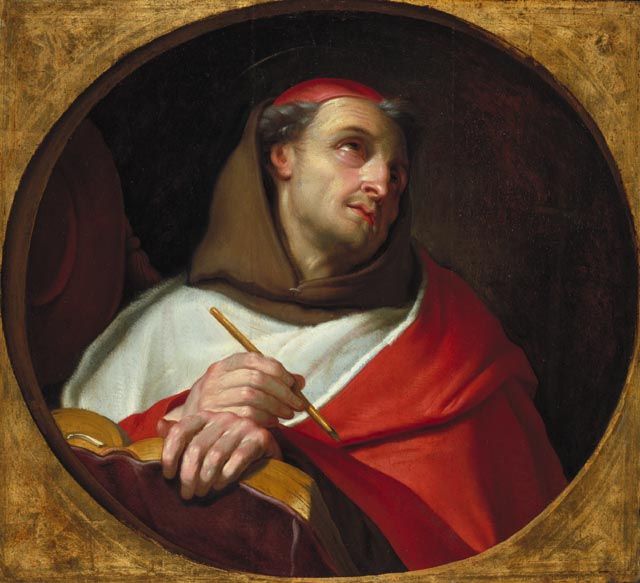
- ScholasticismThe method of philosophy and theology in the medieval universities, which used careful logical analysis to reconcile Christian doctrine with reason and Aristotle.Bonaventure, Thomas Aquinas, Meister Eckhart and 2 more
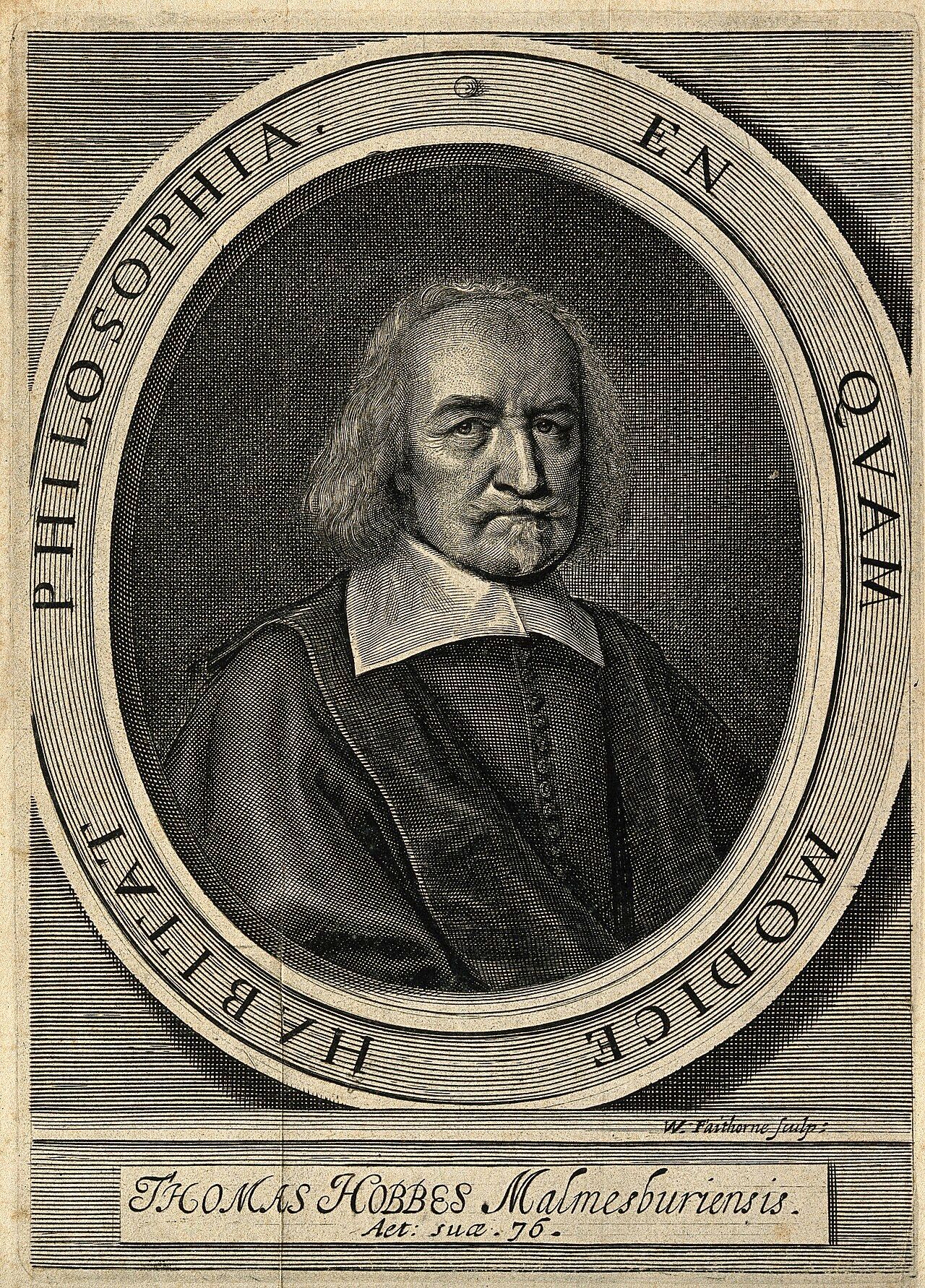
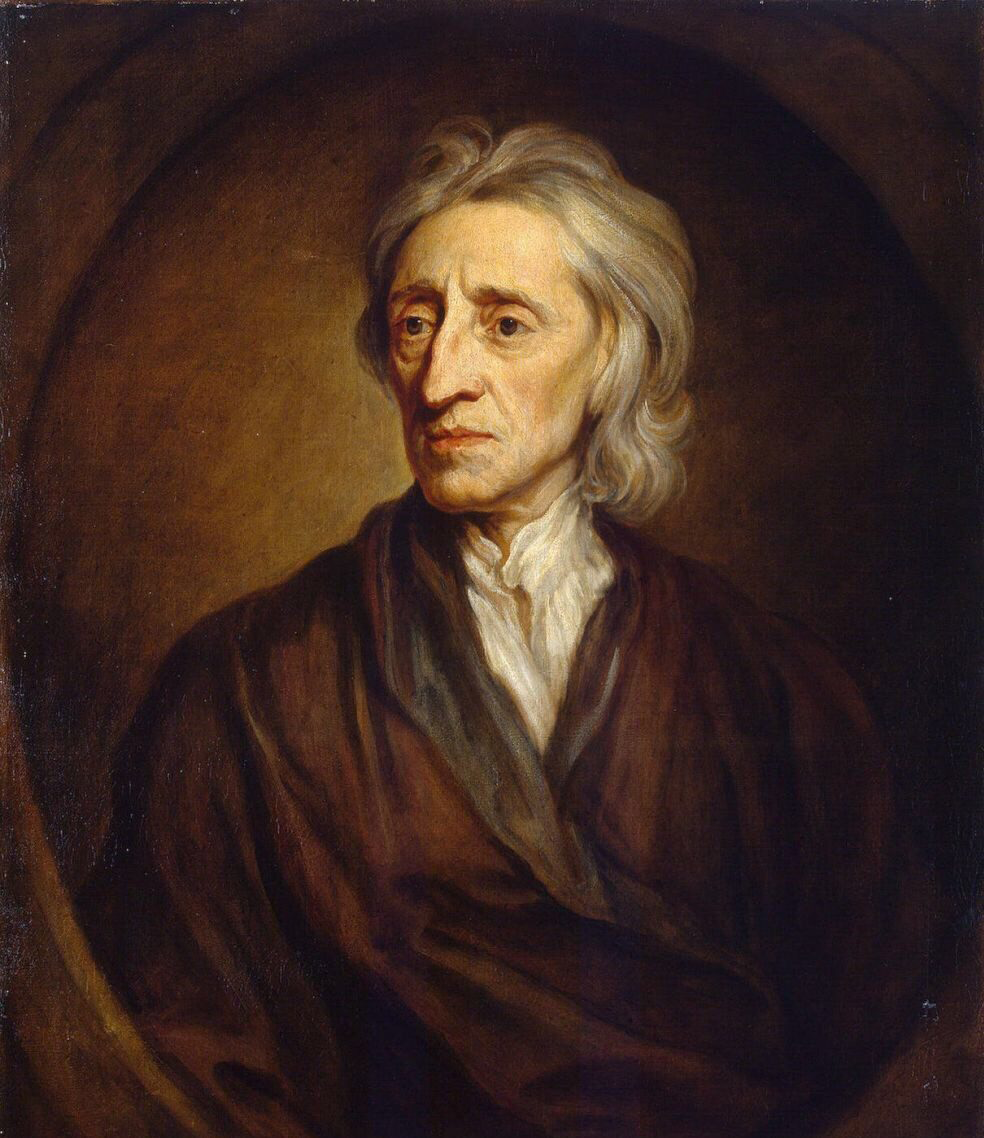
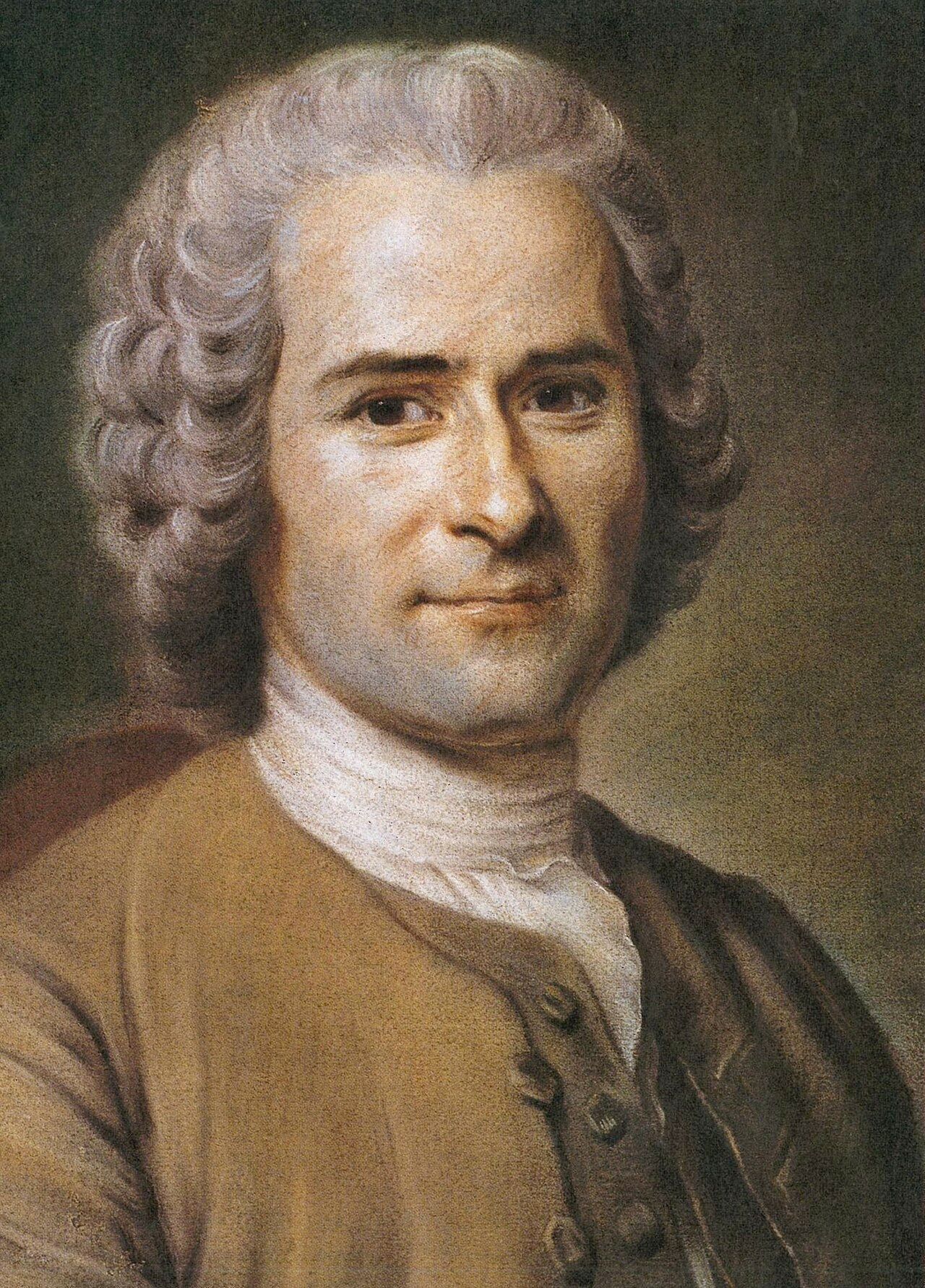
- Social contract theoryThe tradition, running from Hobbes through Locke to Rousseau, that grounds political authority in an agreement among the people who are to be governed by it.Thomas Hobbes, John Locke, Jean-Jacques Rousseau and 1 more
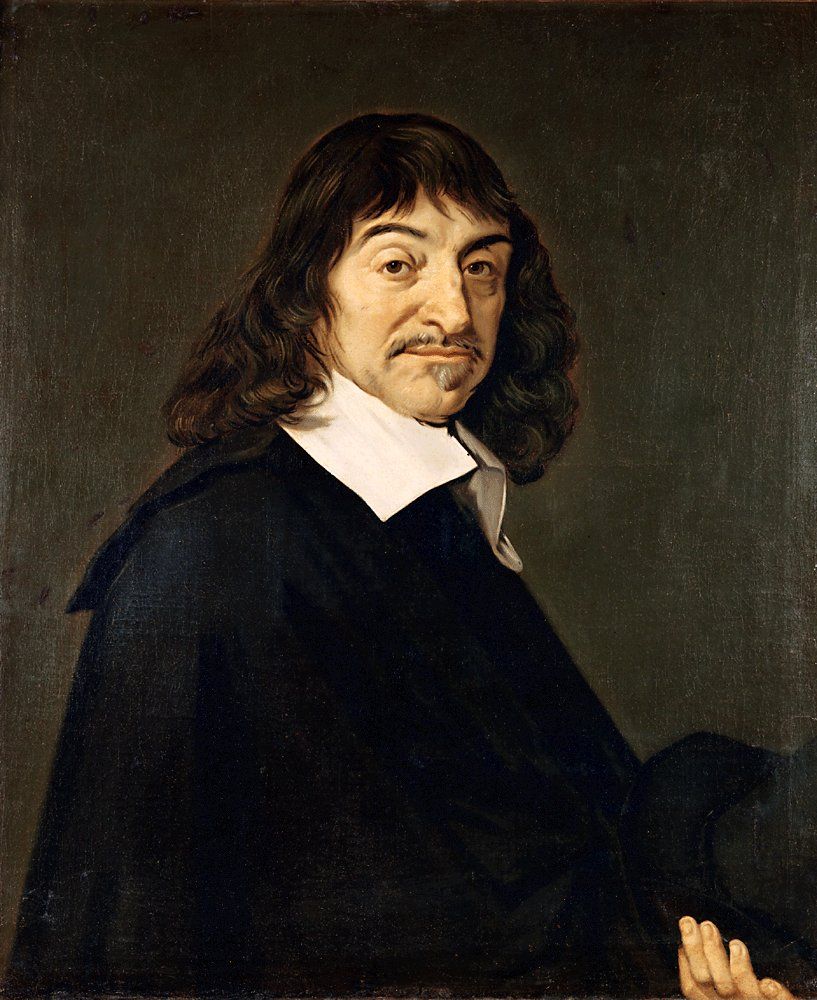
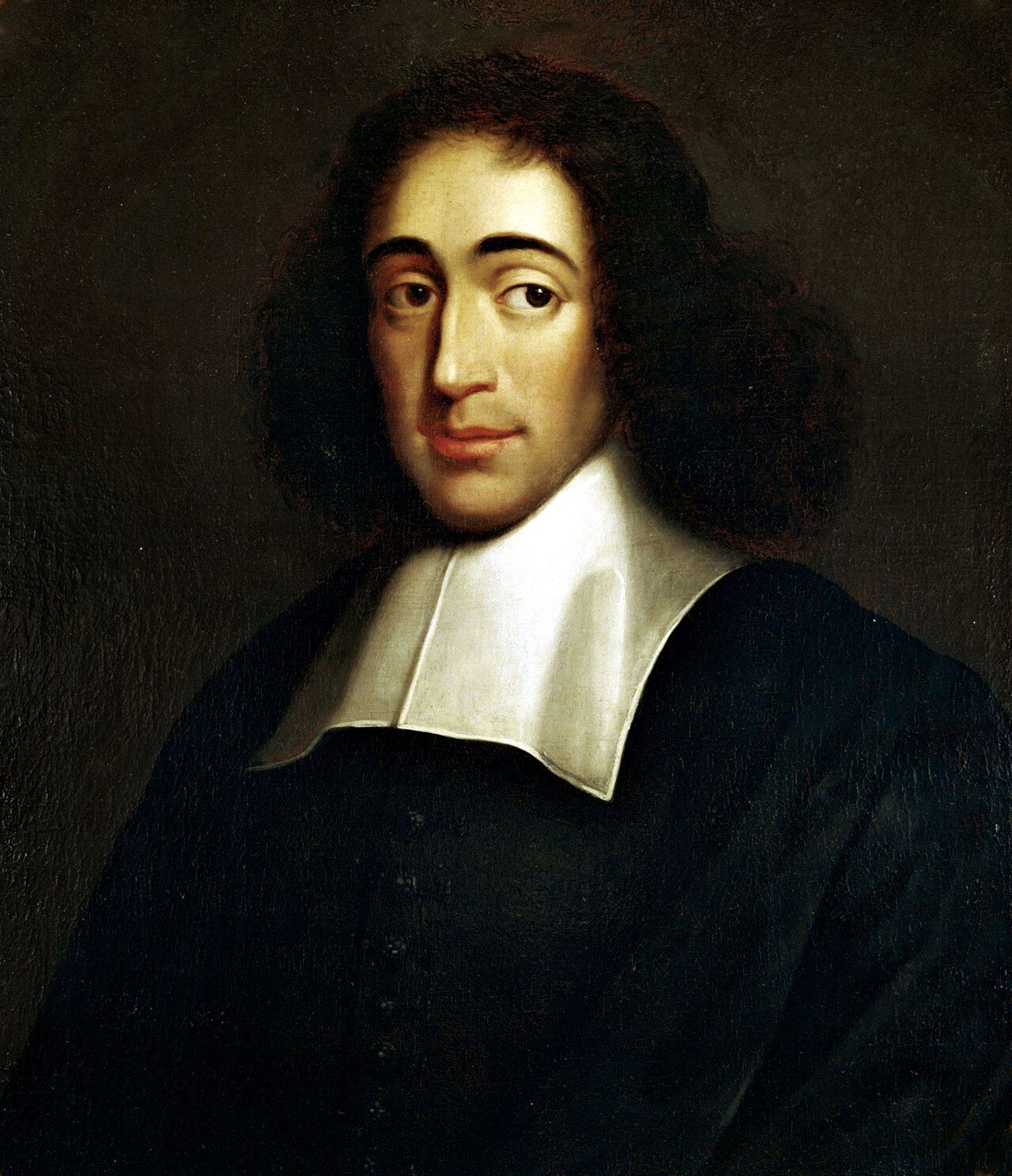
- RationalismThe view that reason, rather than the senses, is the chief source and test of knowledge.René Descartes, Baruch Spinoza, Nicolas Malebranche and 1 more
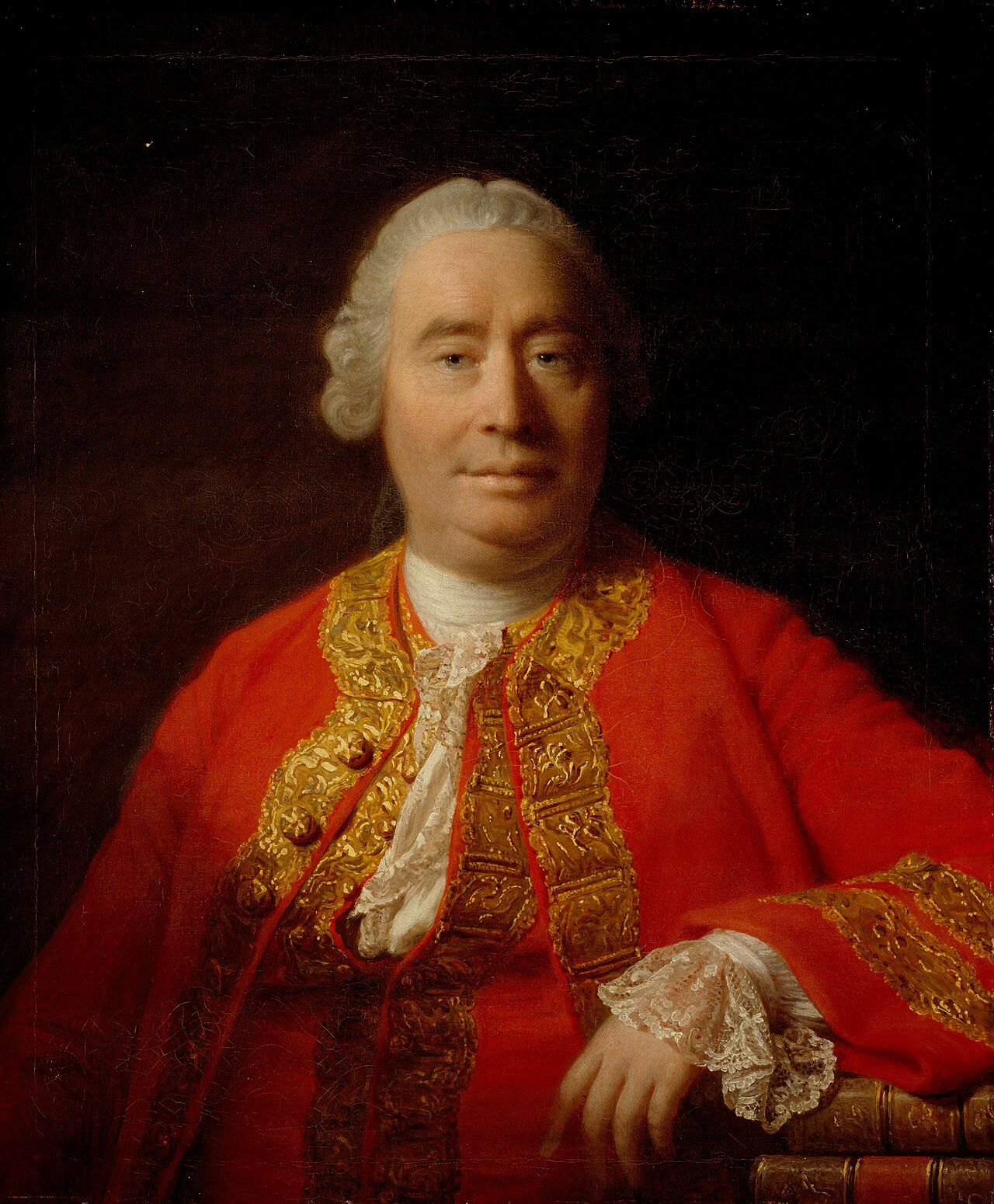
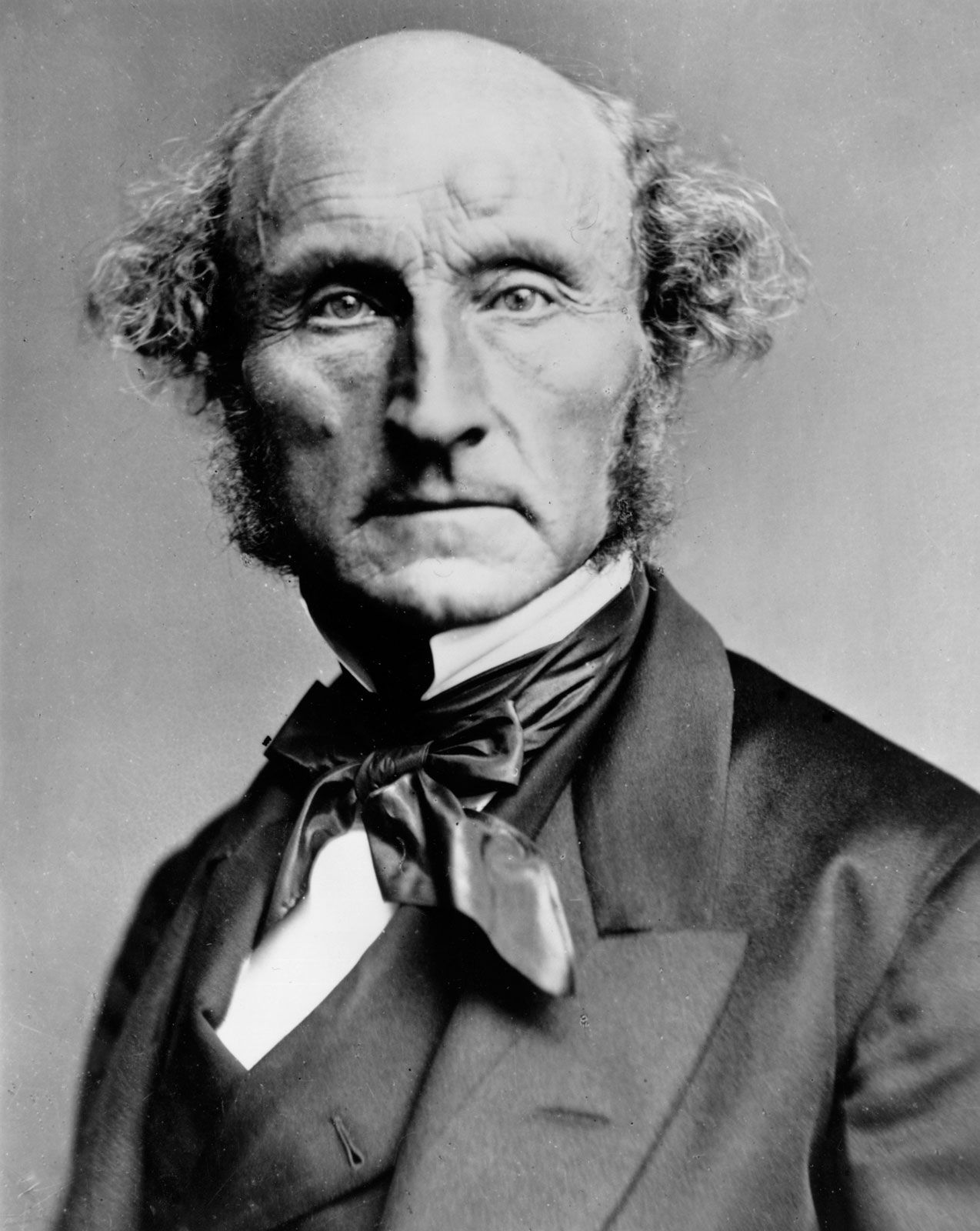
- EmpiricismThe view that knowledge comes ultimately from experience, rather than from reason alone.John Locke, David Hume and John Stuart Mill
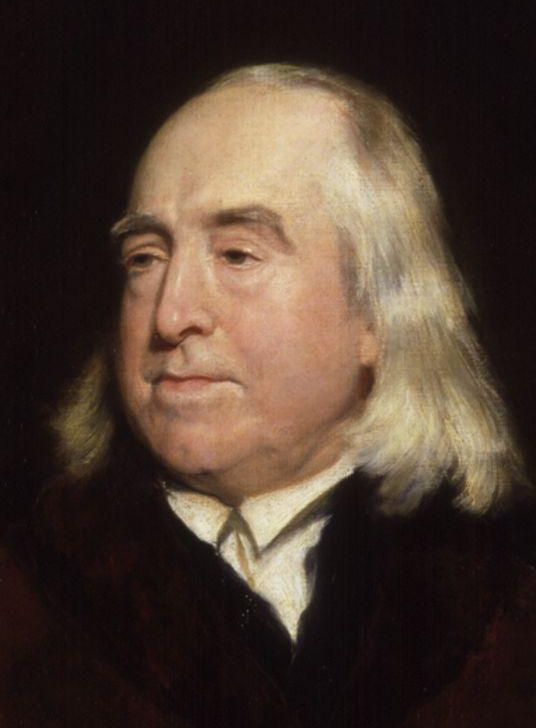
- UtilitarianismThe ethical view that actions and policies are right insofar as they produce the greatest happiness, developed by Jeremy Bentham and John Stuart Mill.Jeremy Bentham and John Stuart Mill
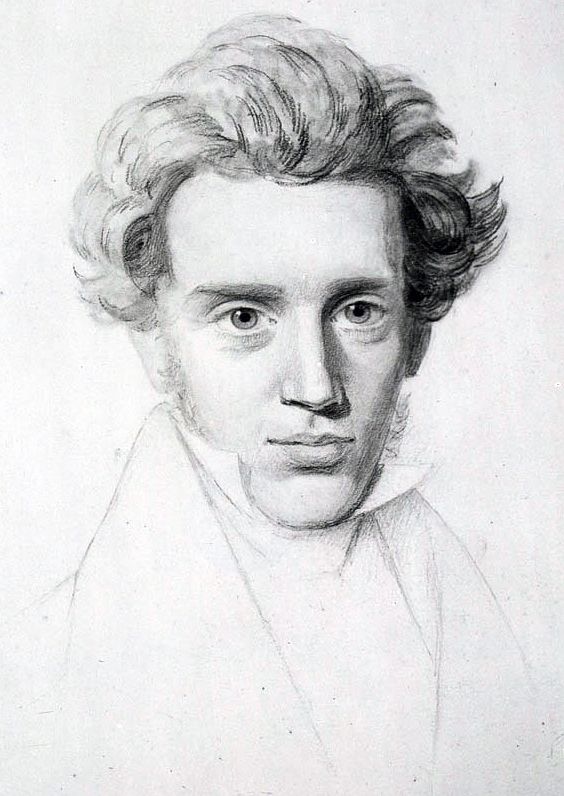
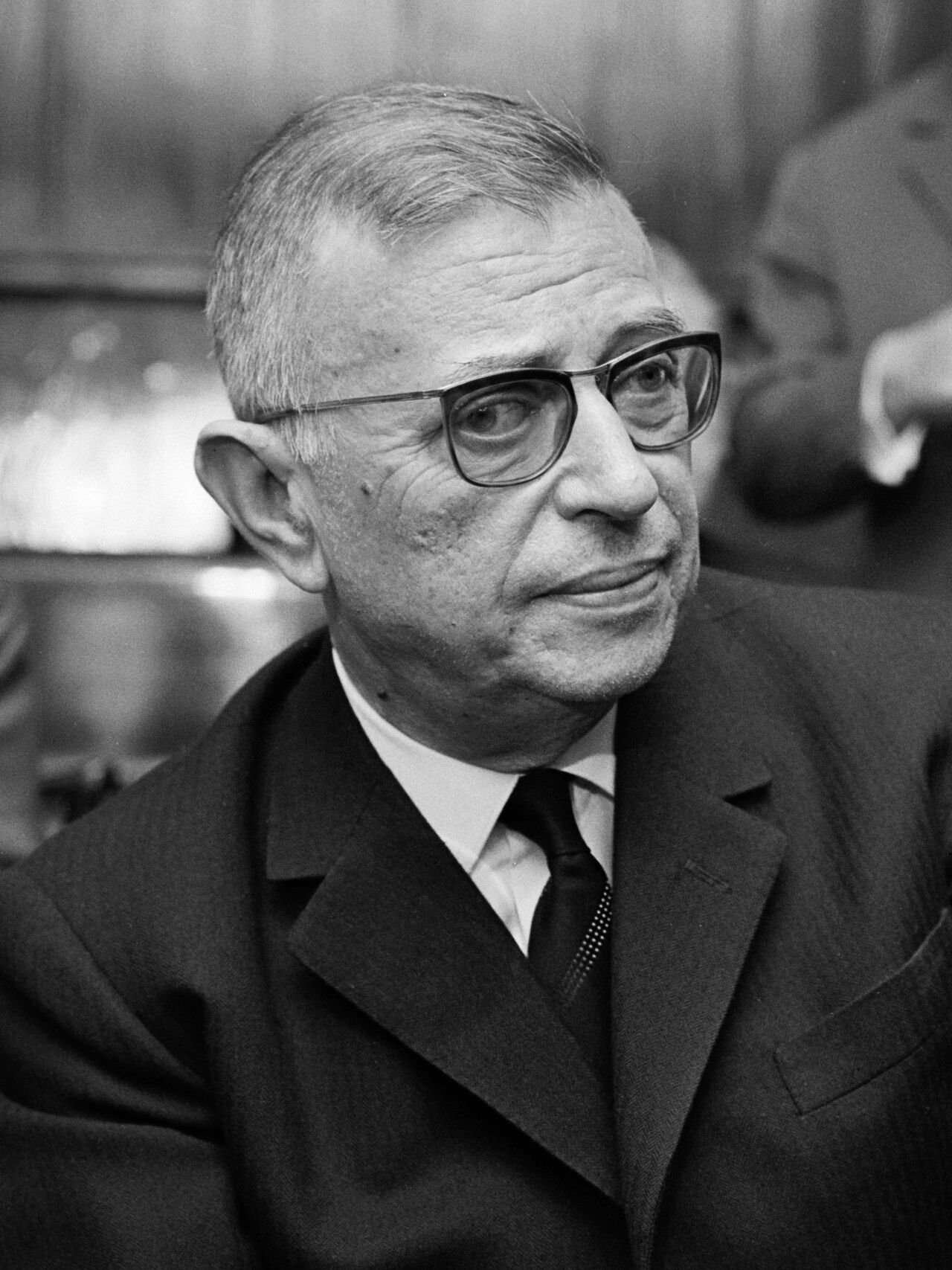
- ExistentialismMovement centred on human existence, freedom and responsibility, which reached its height in France after the Second World War and looked back to Kierkegaard and Nietzsche.Søren Kierkegaard, Jean-Paul Sartre, Maurice Merleau-Ponty and 1 more
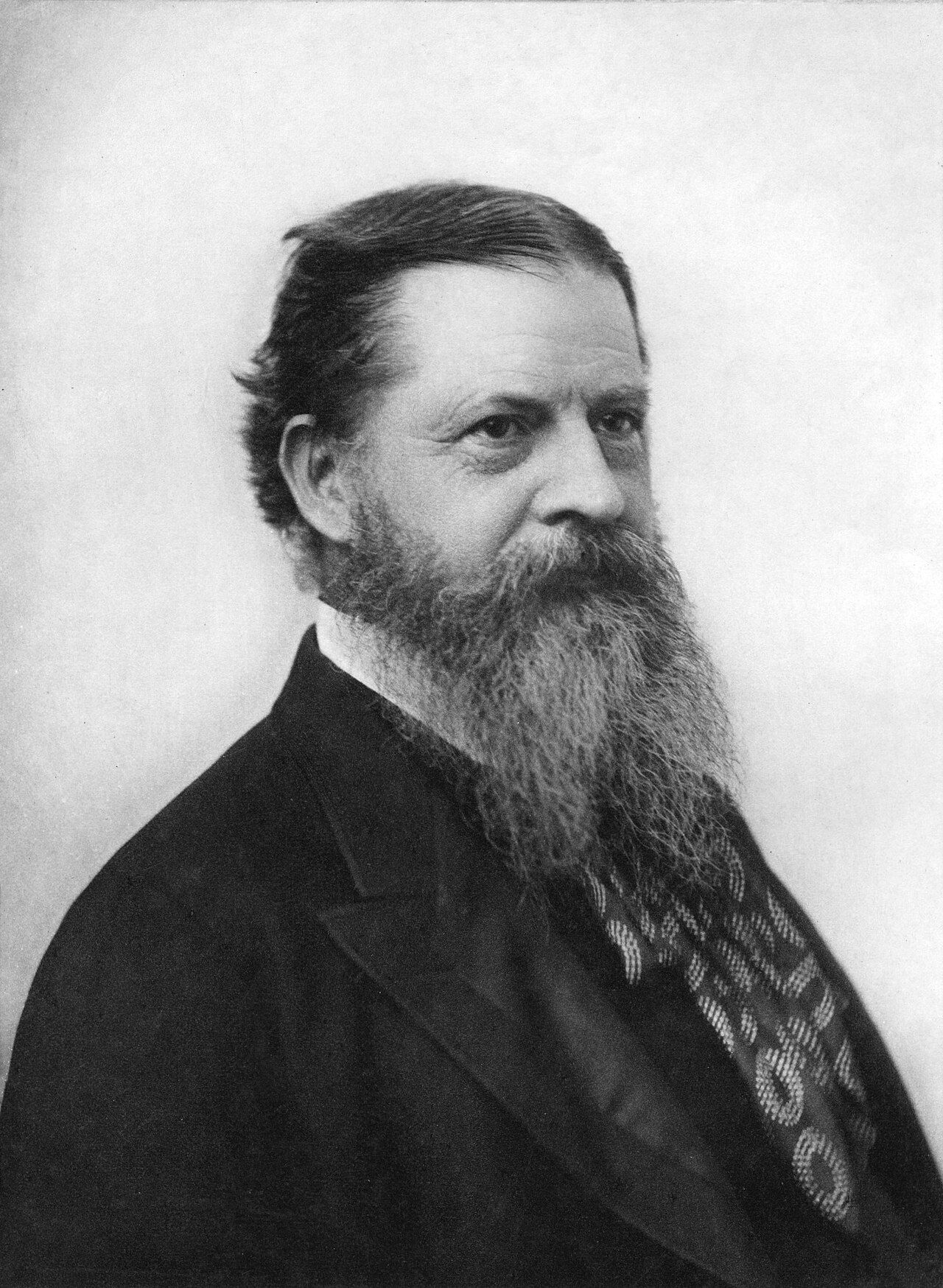
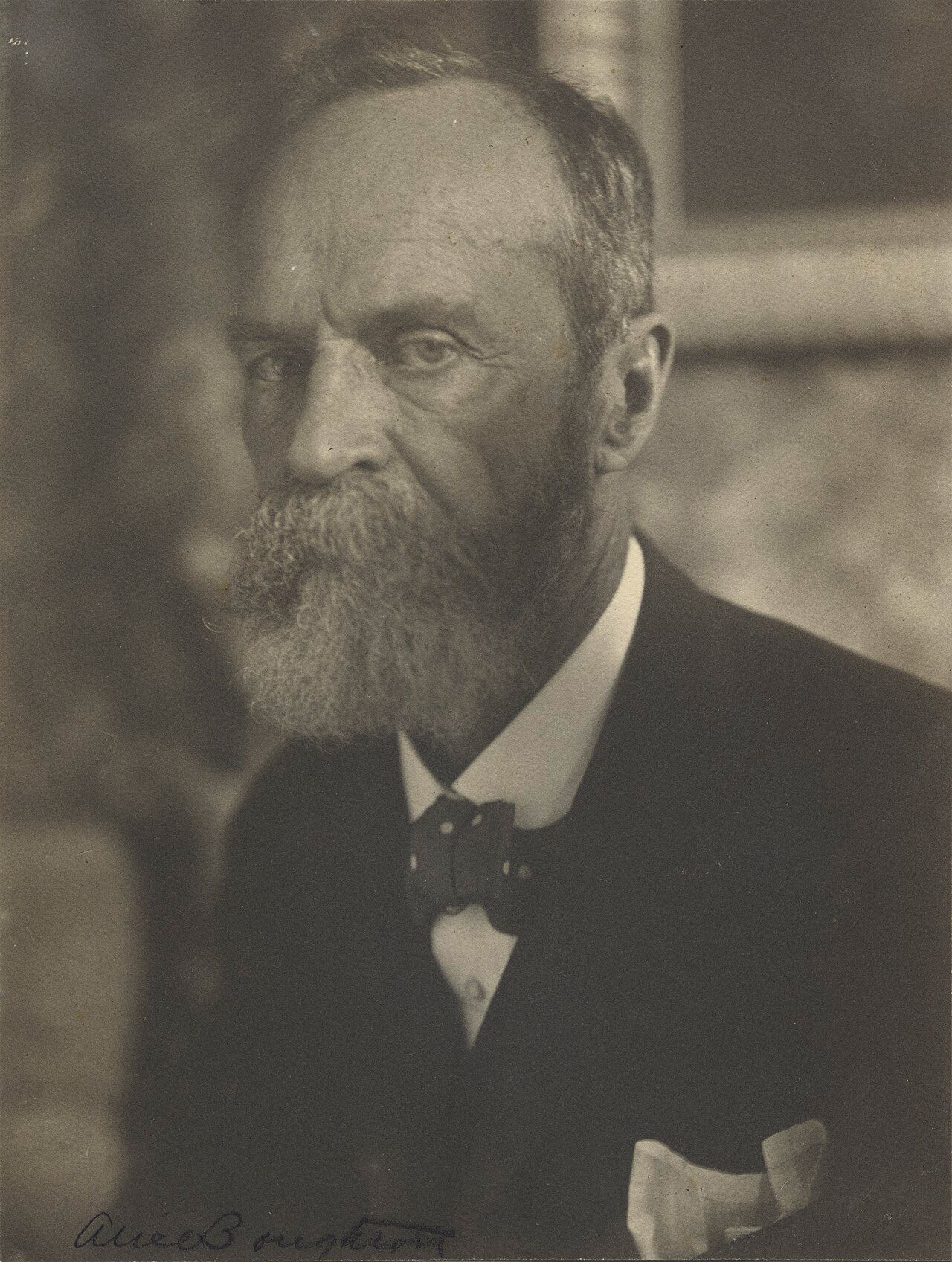
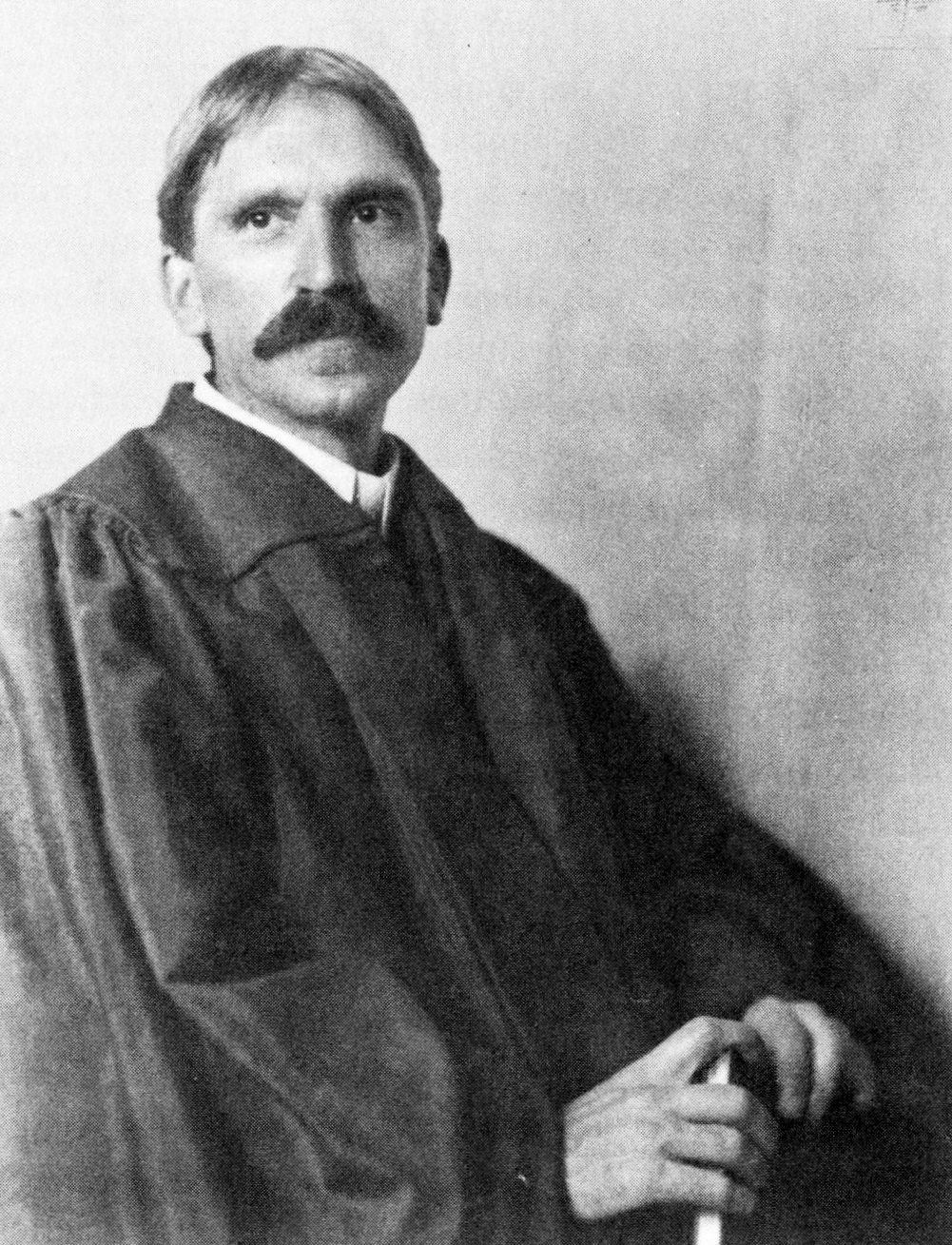
- PragmatismAmerican philosophical tradition, begun by Peirce and James around 1870, that understands knowing the world as inseparable from acting in it, and tests ideas by their practical consequences.Charles Sanders Peirce, William James and John Dewey
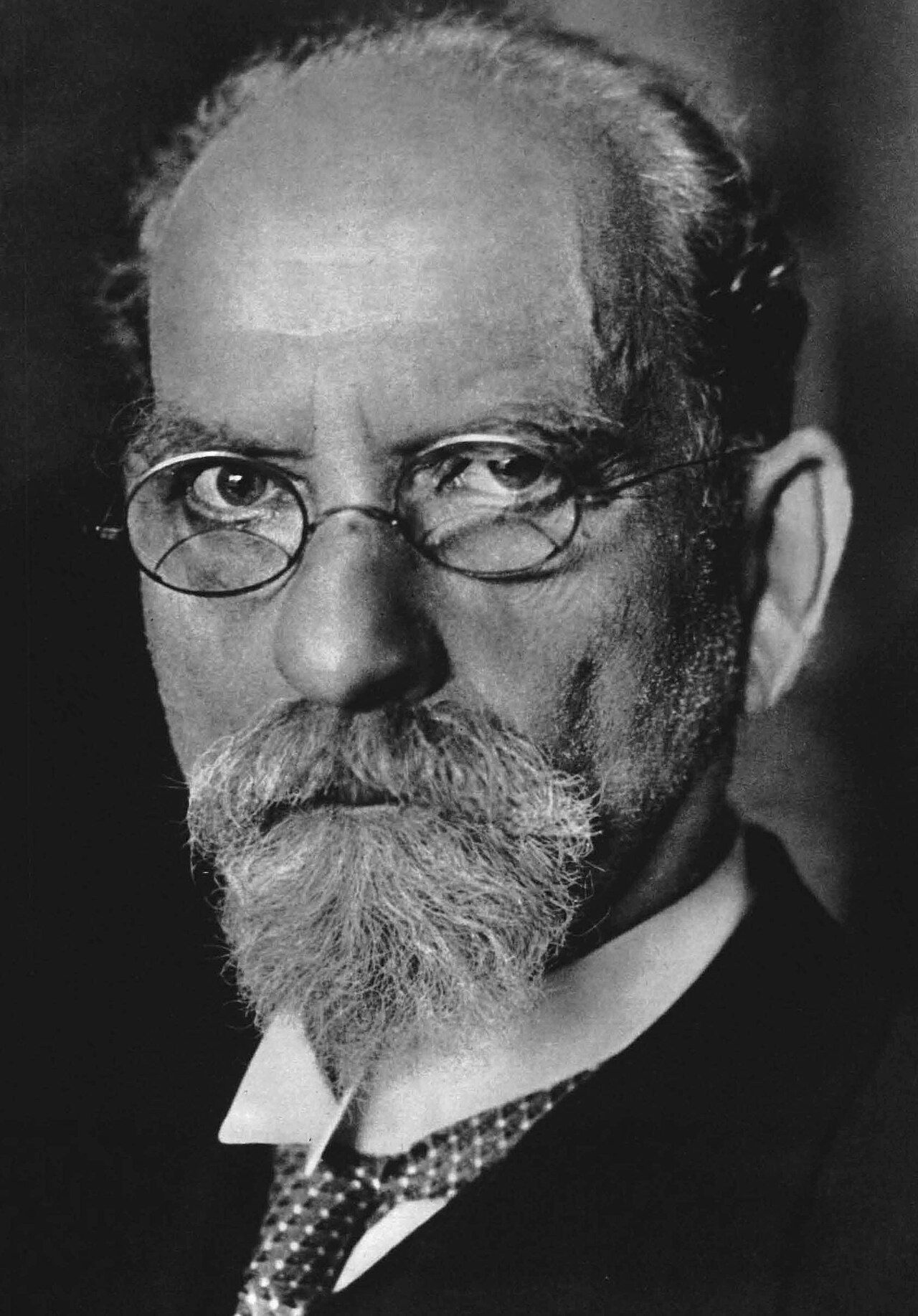
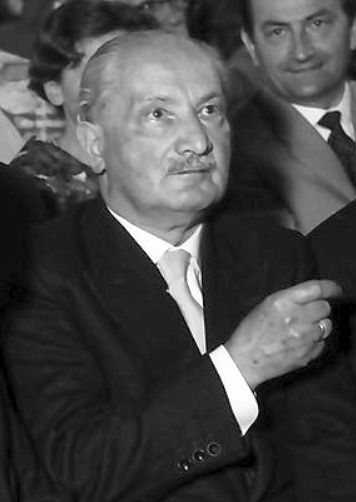
- PhenomenologyThe study of experience as it is lived from the first-person point of view, founded by Edmund Husserl and developed by Heidegger and others.Edmund Husserl, Martin Heidegger, Jean-Paul Sartre and 2 more
- Logical EmpiricismMovement of the 1920s to 1950s, centred on the Vienna Circle and the Berlin Society, that sought a scientific philosophy built on logic and experience.Rudolf Carnap
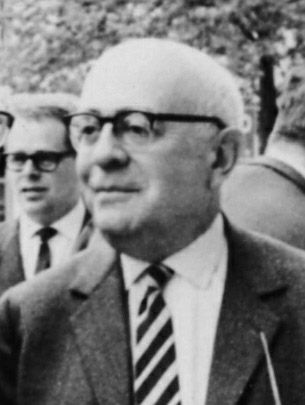
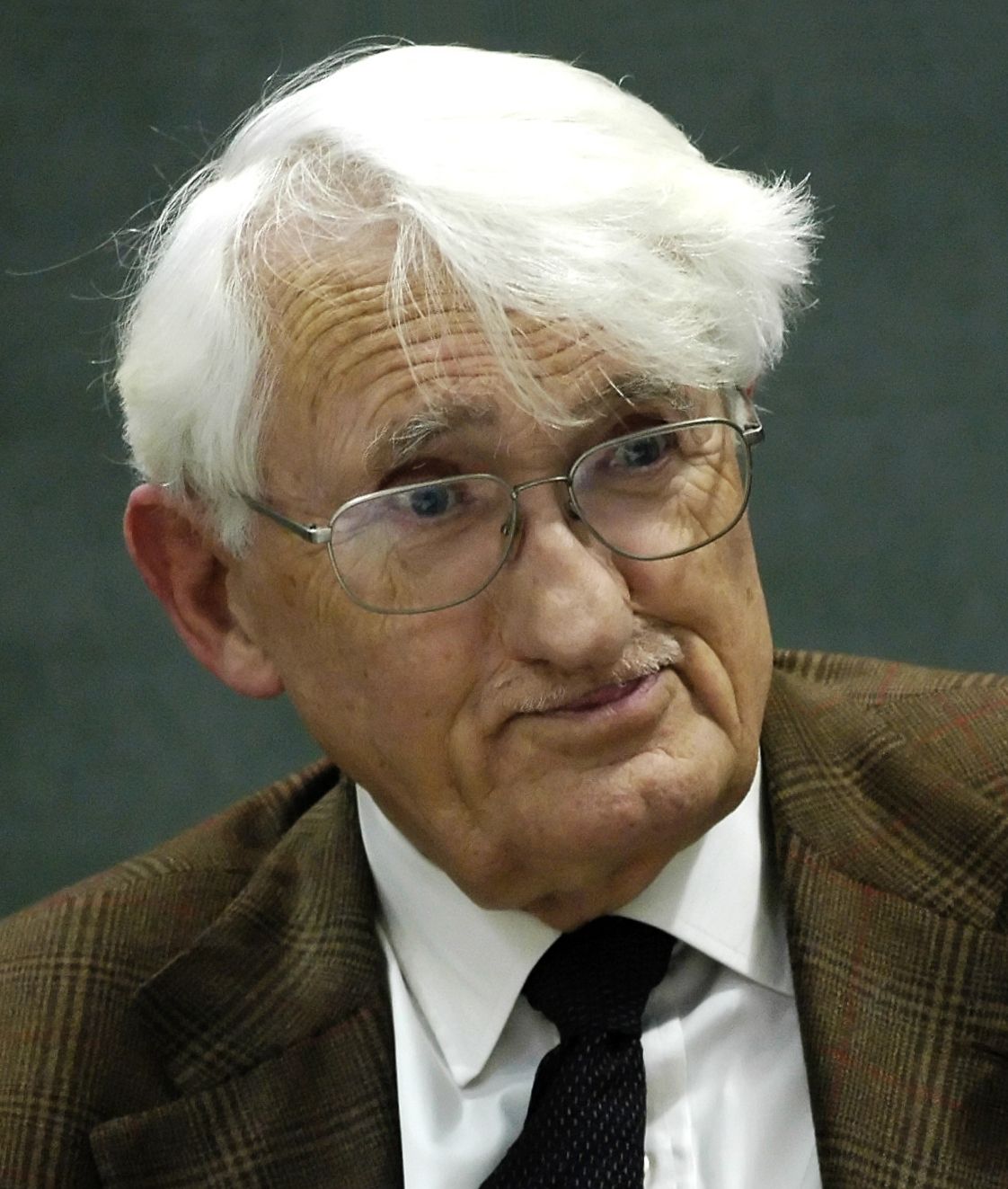
- Frankfurt SchoolMarxist-influenced philosophers and social theorists, from Frankfurt's Institute for Social Research, who joined philosophy and social science in a critique of society aimed at emancipation.Theodor W. Adorno and Jürgen Habermas


Arabic and Islamic

Indian
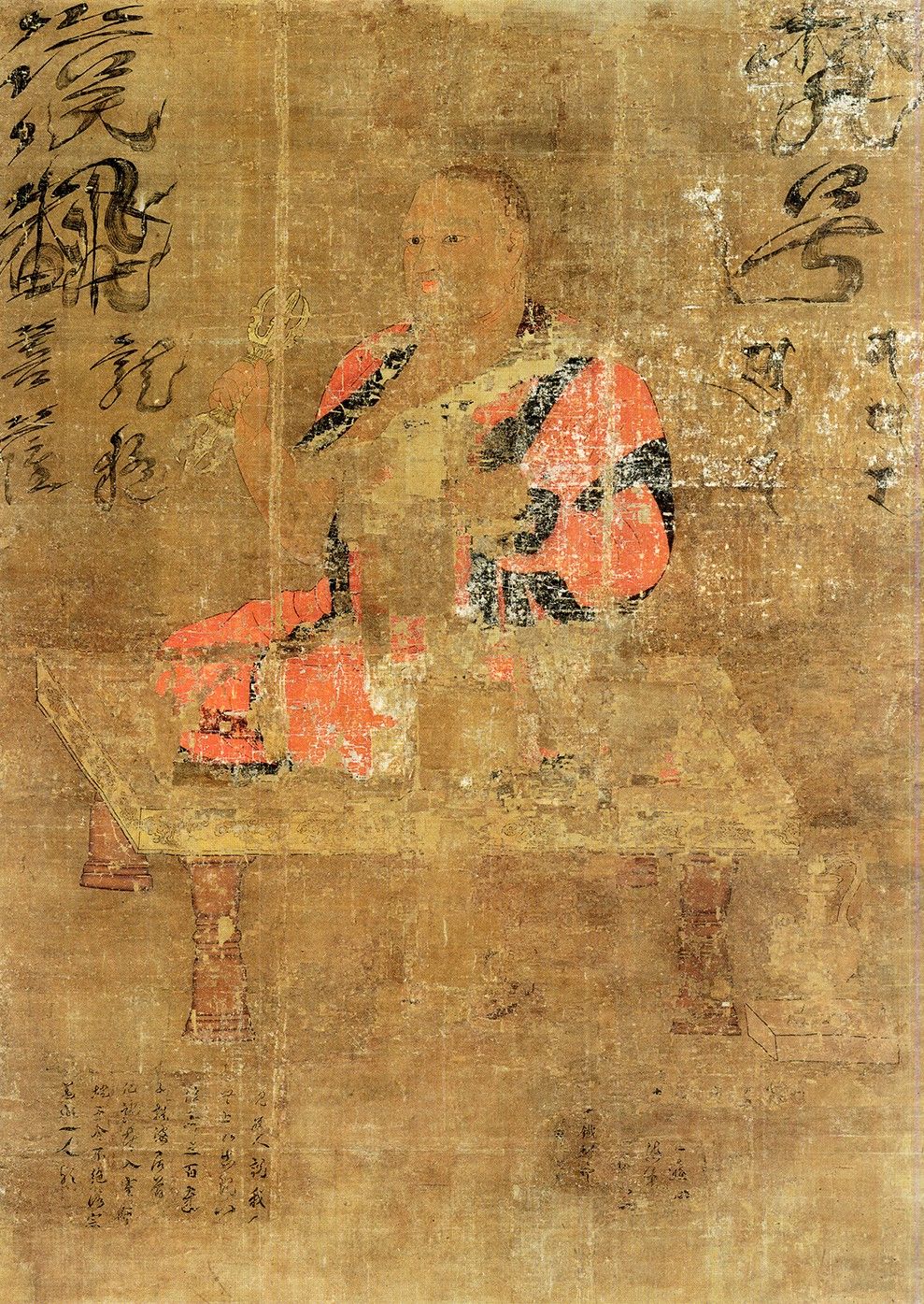
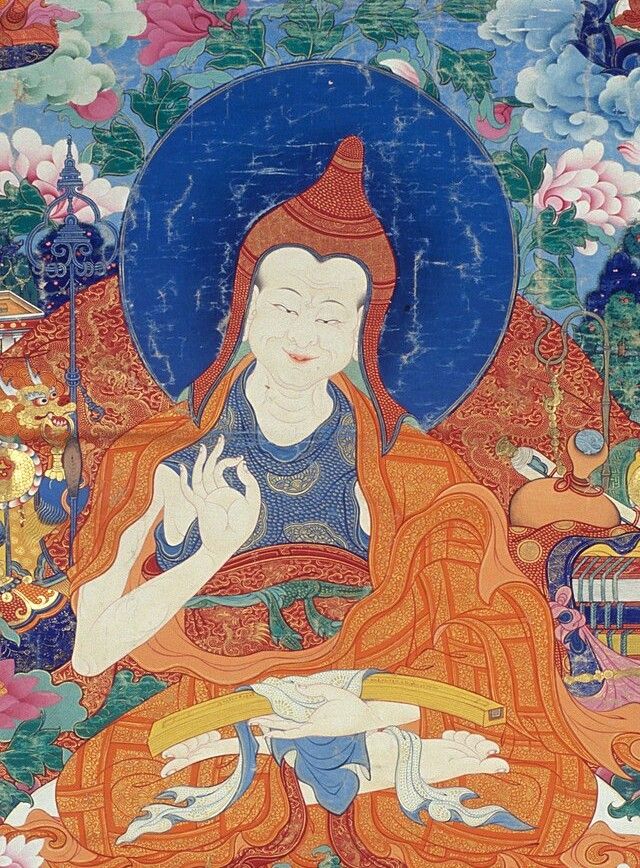
- MadhyamakaMahāyāna Buddhist school founded by Nāgārjuna, which teaches that all things are empty because they arise in dependence on other things.Nāgārjuna, Śāntideva and Śāntarakṣita
- YogācāraMahāyāna Buddhist school, associated with Asaṅga and Vasubandhu, which analyses experience as the workings of consciousness rather than of independent external objects.Vasubandhu
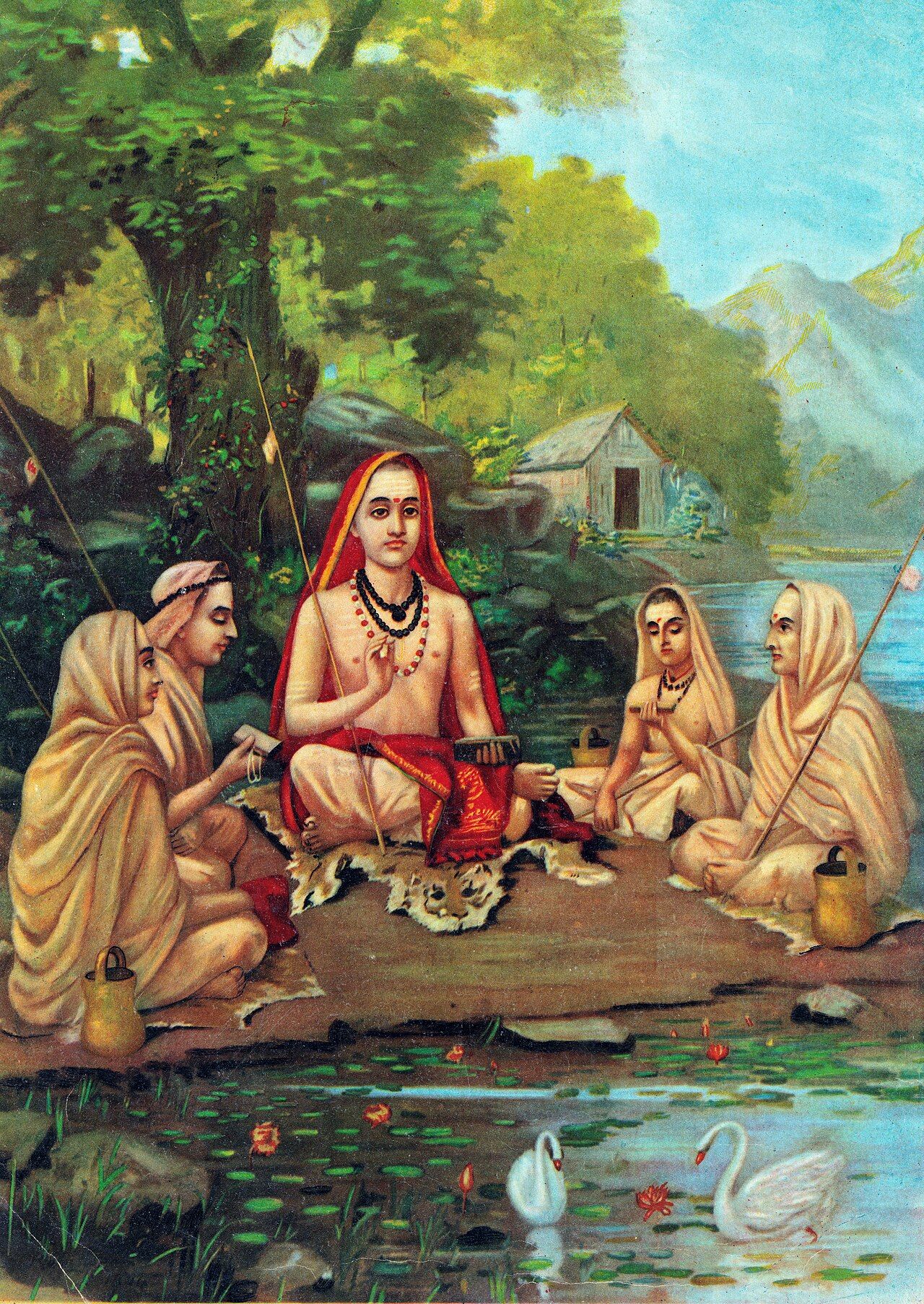
- Advaita VedāntaSchool of Vedānta which holds that brahman alone is real, that the world of plurality is an appearance, and that the individual self is identical with brahman.Gauḍapāda and Śaṅkara
- MīmāṃsāBrahmanical school of interpretation devoted to the Vedas, which developed influential theories of knowledge and language in defending their authority.Kumārila Bhaṭṭa
Chinese
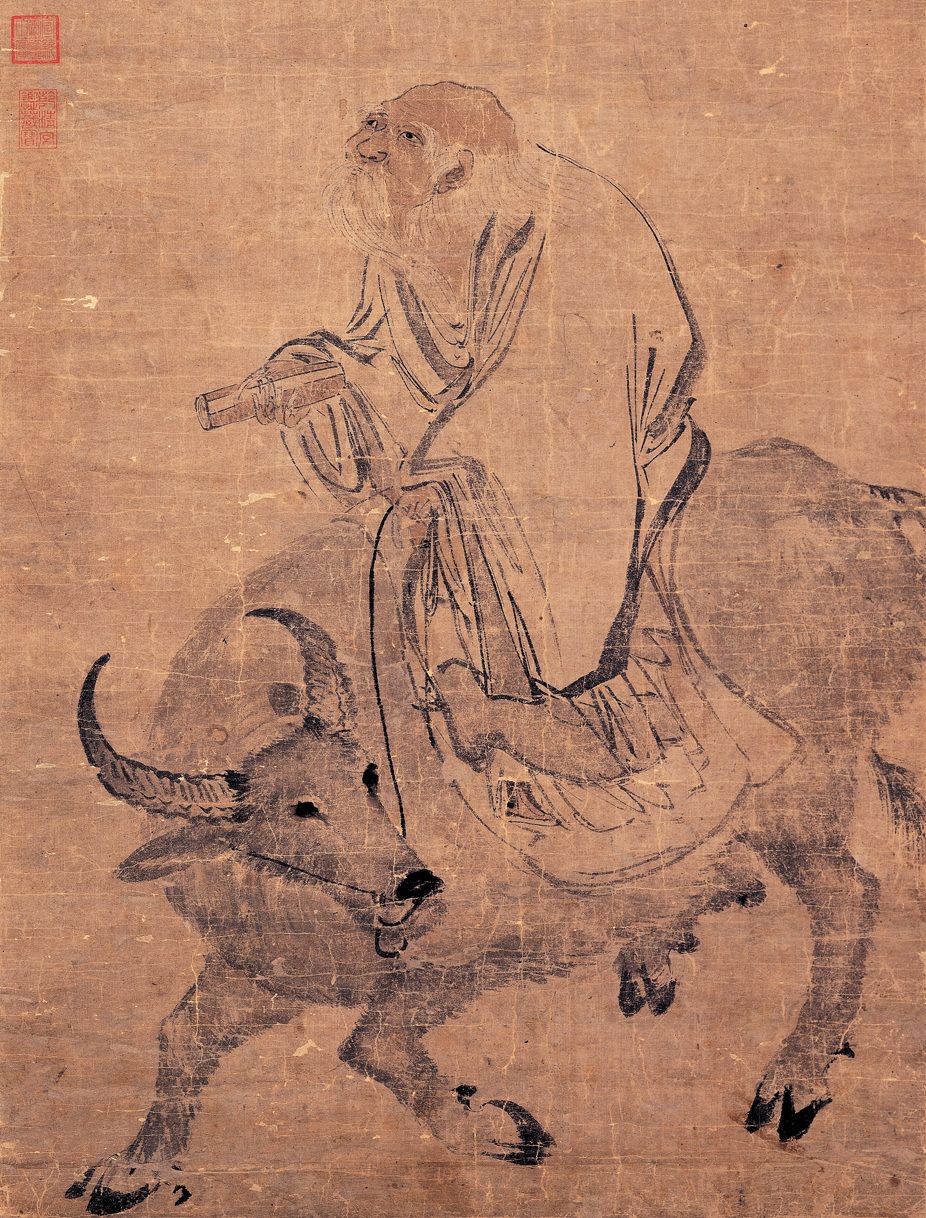
- DaoismChinese tradition, rooted in the Daodejing and the Zhuangzi, that seeks to live in accord with the dao, the natural way, through spontaneity and non-action.Laozi and Zhuangzi
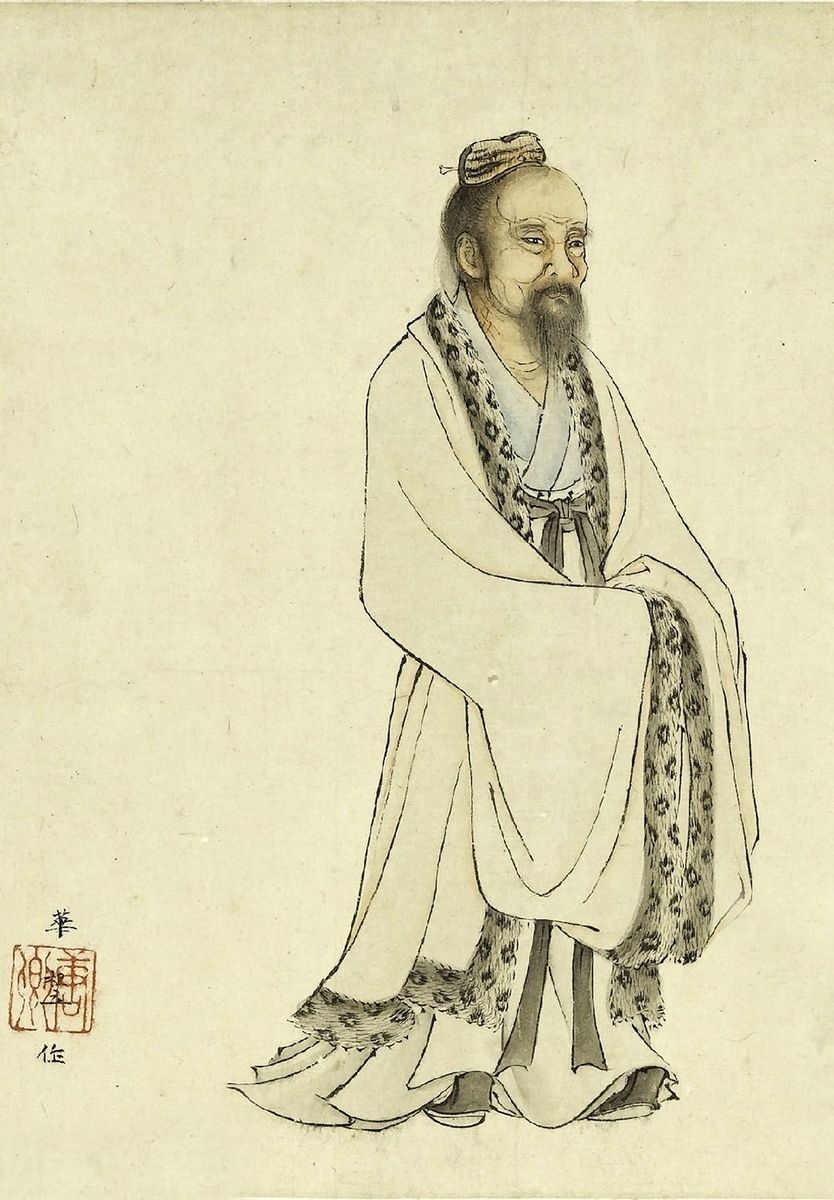
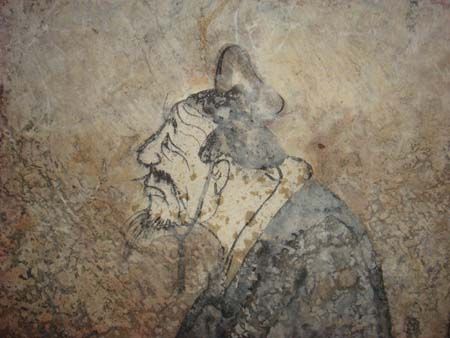
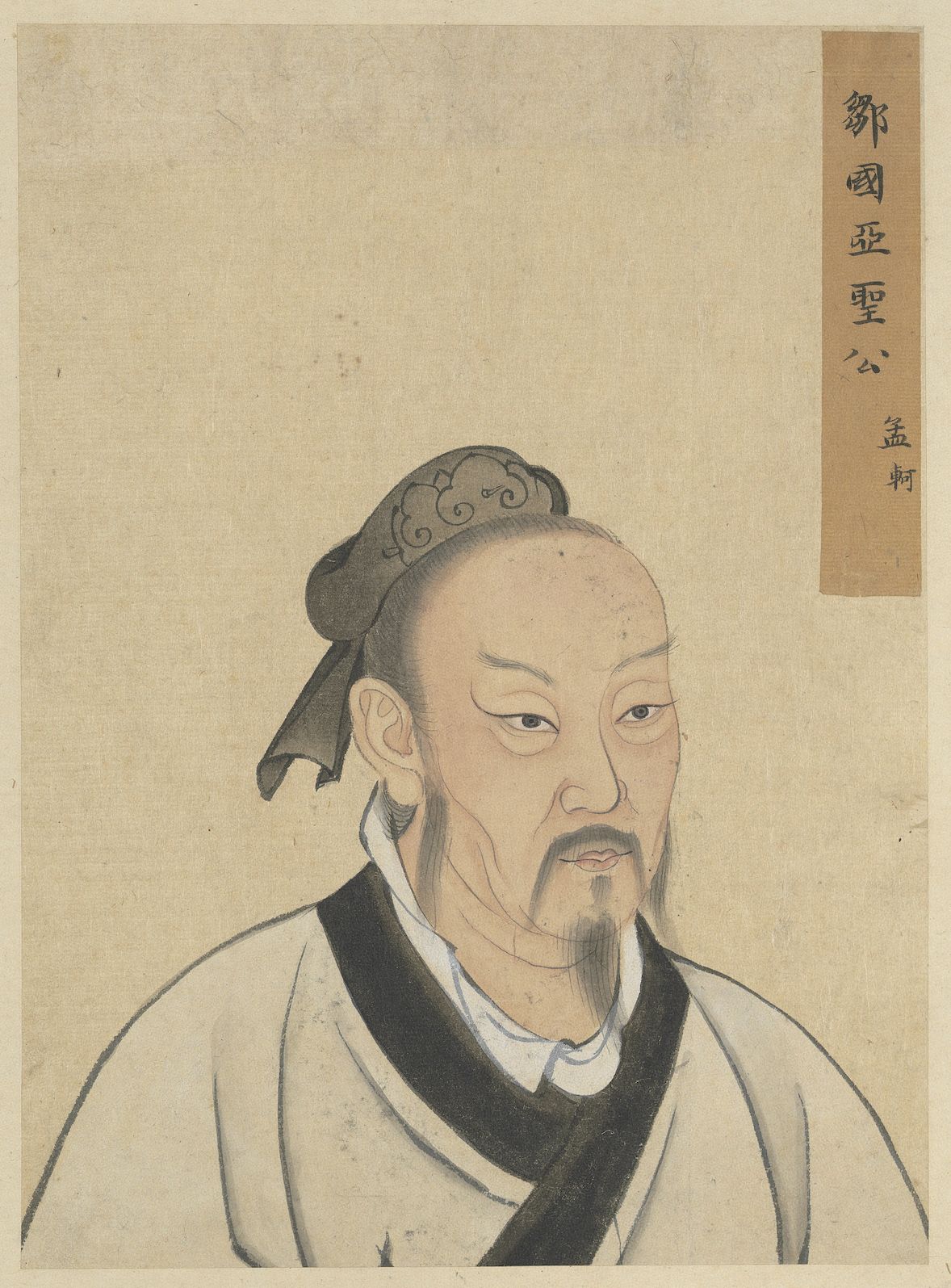
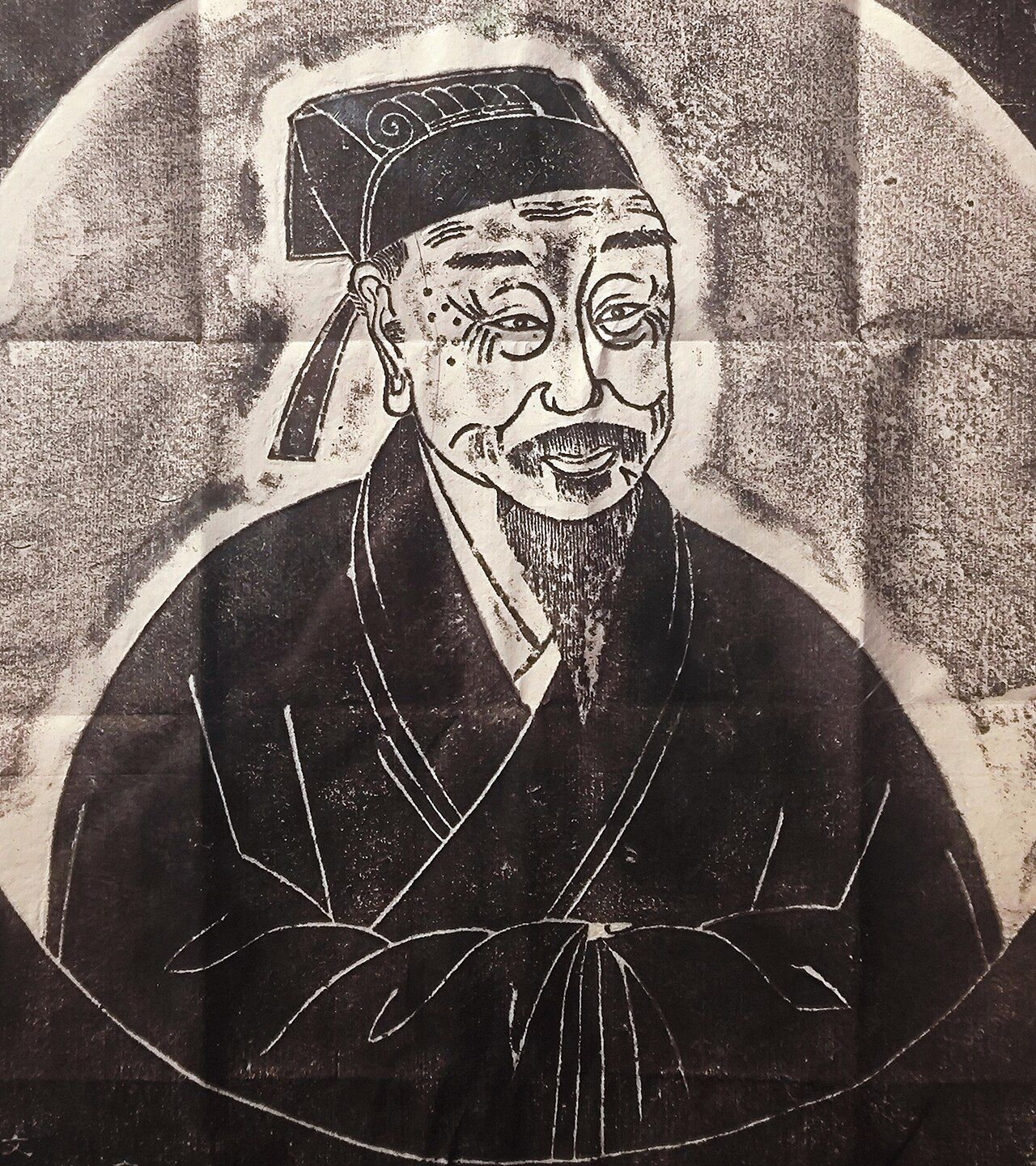
- ConfucianismThe tradition descending from Confucius, which holds that personal cultivation of virtue and proper ritual conduct are the basis of a harmonious society.Confucius, Mencius, Zhu Xi and 6 more
- MohismMovement founded by Mozi that argued for impartial care, condemned aggressive war, and pioneered systematic argument in Chinese philosophy.Mozi
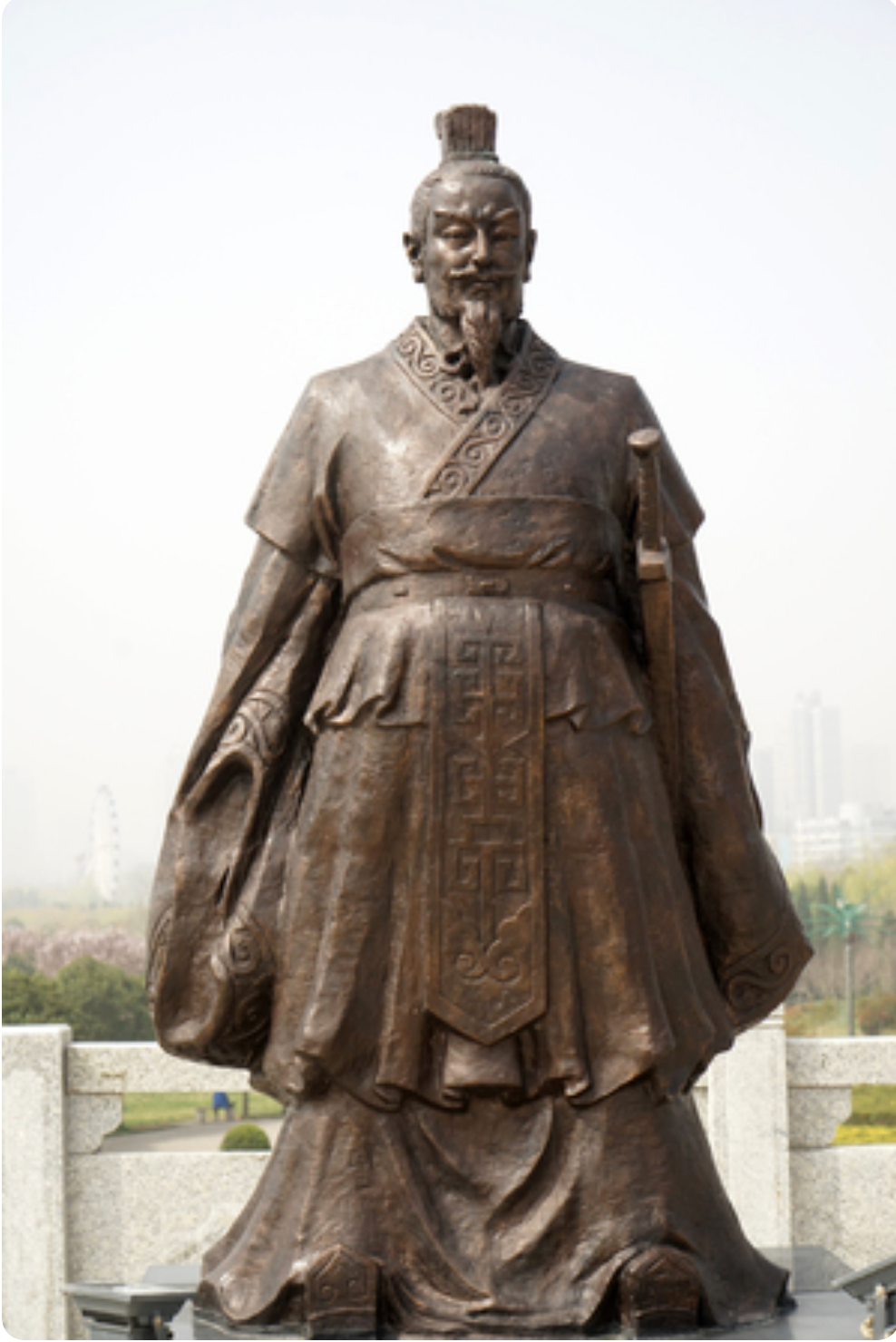
- LegalismWarring States current of political realism that sought a rich state and a strong army through impartial laws, rewards and punishments rather than moral virtue.Han Fei
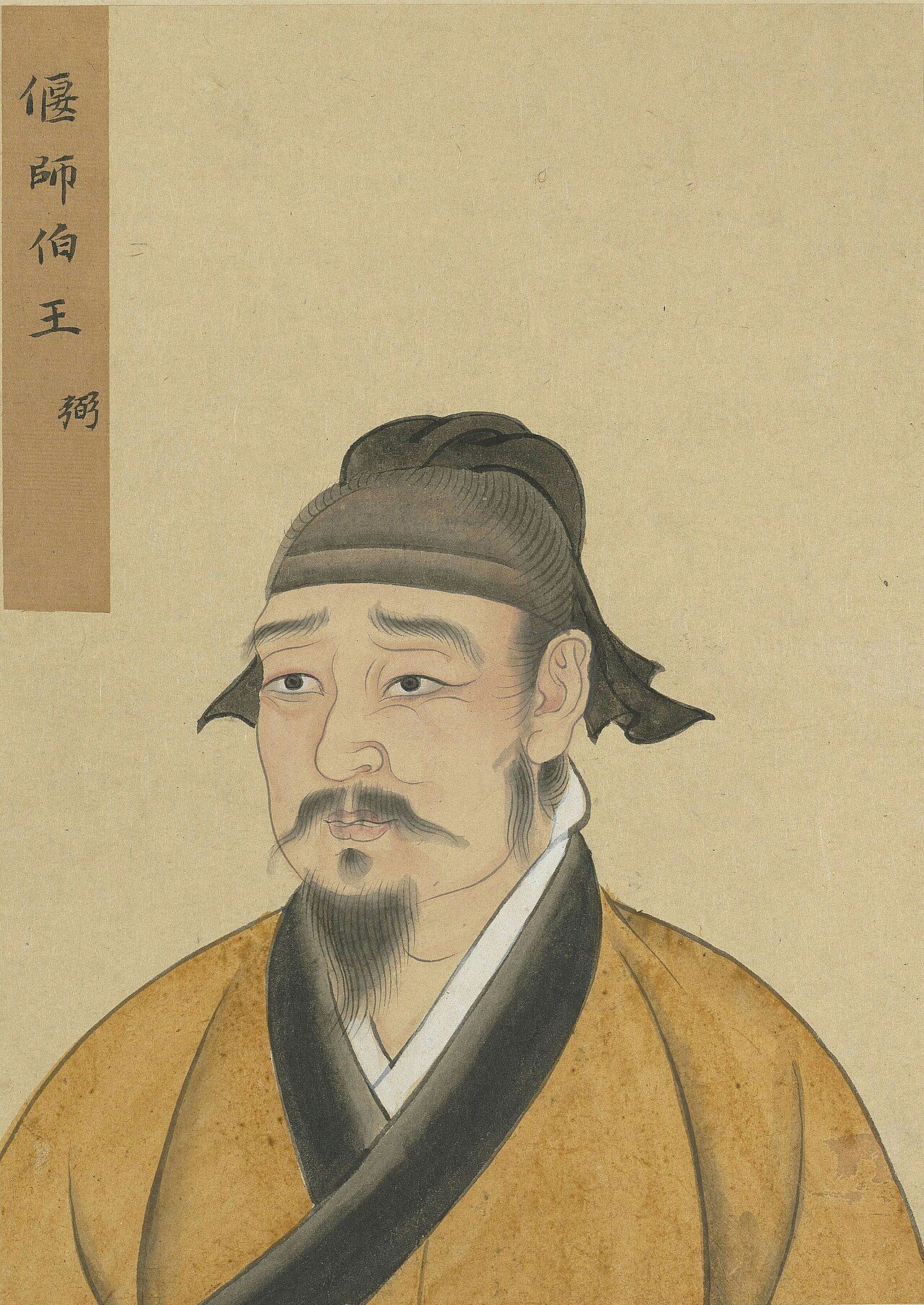
- Neo-DaoismThe main current of Chinese philosophy after the fall of the Han, which sought the meaning of the Dao in the Laozi, the Zhuangzi and the Classic of Changes.Wang Bi
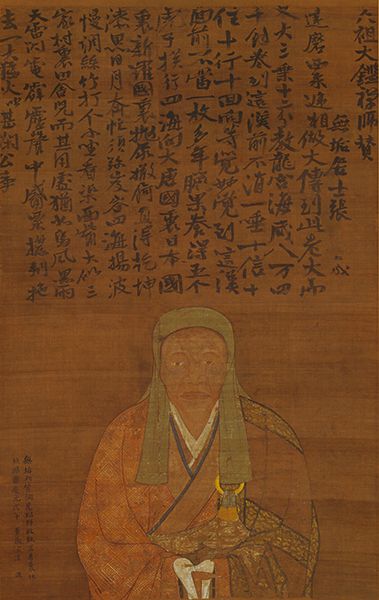
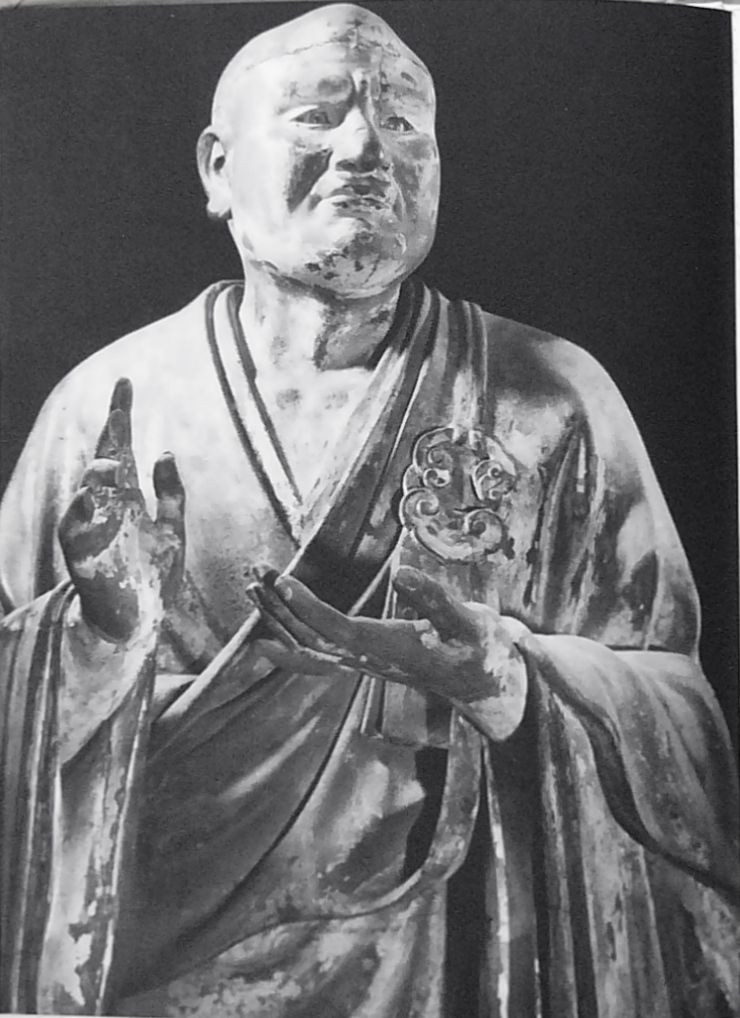
- Chan BuddhismSchool of Chinese Buddhism that stressed seeing one's own Buddha-nature here and now, through practice rather than the study of texts.Huineng