Philosopher
Wang Yangming
1472–1529
Also known as Wang Shouren
Ming statesman, general and Neo-Confucian thinker who taught that moral understanding is innate in every mind, and that knowing and acting are one.
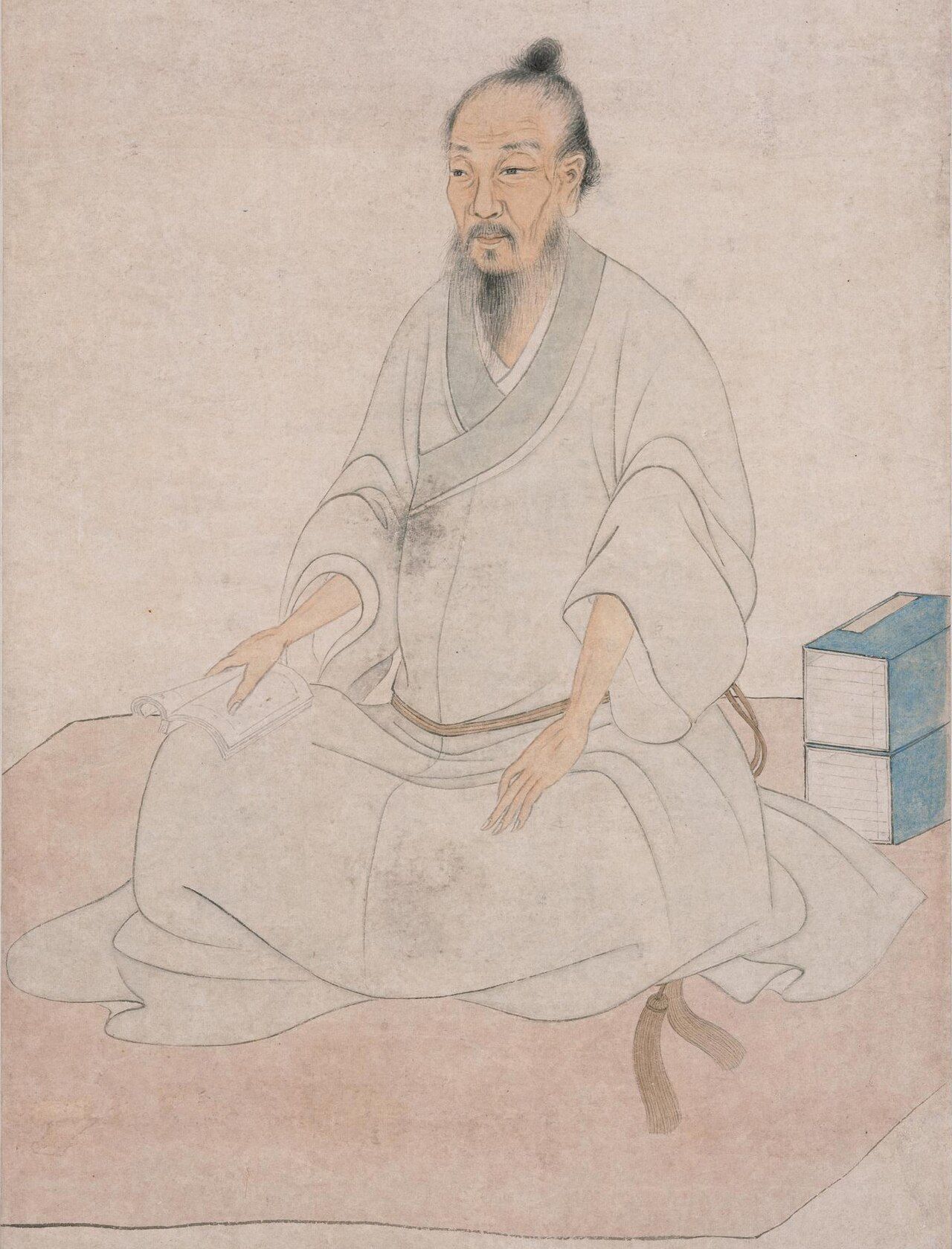
.jpg)
Wang Yangming served the Ming dynasty as an official and a successful general. After offending a powerful court eunuch he was beaten and banished to a remote post in Guizhou, where he came to a new understanding of the mind. He became the chief opponent of Zhu Xi’s orthodox Neo-Confucianism.
Where Zhu Xi taught that we must investigate the principle in external things, Wang held that the root of moral insight is our own innate understanding. He is best known for his doctrine of the unity of knowing and acting: truly to know what is good is already to be moved to do it, so that failing to act shows that one did not really know.
Key ideas
- The unity of knowing and acting
- “There never have been people who know but do not act. Those who ‘know’ but do not act simply do not yet know.” Merely saying the right things isn’t knowledge, so Wang’s doctrine can be read as denying weakness of will.
- The mind is Pattern
- The Pattern of things is fully present in every person’s mind. “Is there any Pattern outside the mind?” So the theoretical study of ethics is unnecessary; what matters is exercising one’s “pure knowing”.
- One body with all things
- The mind forms “one body” with Heaven, Earth and all creatures. A child on the edge of a well distresses us, and so do an animal’s cries, or even an uprooted tree. The virtuous recognise this unity, while the vicious see themselves as separate.
- Critique of Zhu Xi
- Wang and a friend once tried to investigate the Pattern of some bamboos, as Zhu Xi’s “investigation of things” seemed to require, and both fell ill. Finding it impractical to seek the Pattern in external things, Wang became a leading critic of Zhu Xi.
- Tradition
- Chinese
- Region
- Ming China
- Schools
- Confucianism
- Period
- Song–Ming
- Themes
- Knowledge and scepticism
Influences
Influenced by
Wang Yangming1472–1529
Influenced
Influenced by
Wang Yangming1472–1529
Influenced
Where these links come from
- Wang Yangming drew on Mencius. Source: Bryan Van Norden, Wang Yangming, Stanford Encyclopedia of Philosophy
- Wang Yangming drew on and argued against Zhu Xi. Source: Bryan Van Norden, Wang Yangming, Stanford Encyclopedia of Philosophy
- Dai Zhen argued against Wang Yangming. Source: Frank Y. C. Chong and Chris Fraser, Dai Zhen, Stanford Encyclopedia of Philosophy
Key works
- Instructions for Practical Living (Chuanxi lu)
- Read free at Project Gutenberg (in Classical Chinese)
Sources
- Bryan Van Norden, Wang Yangming, Stanford Encyclopedia of Philosophy